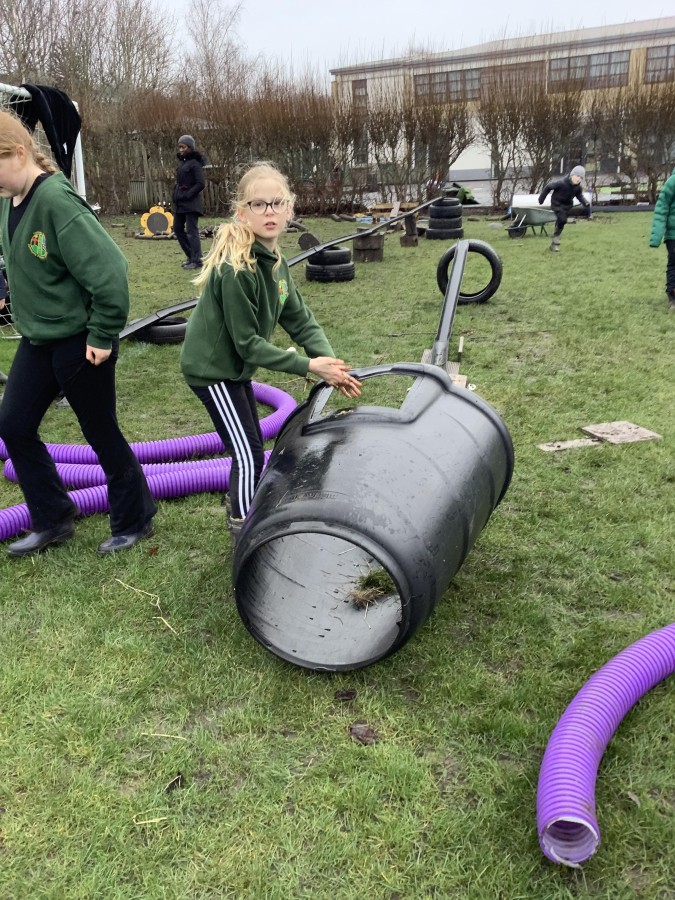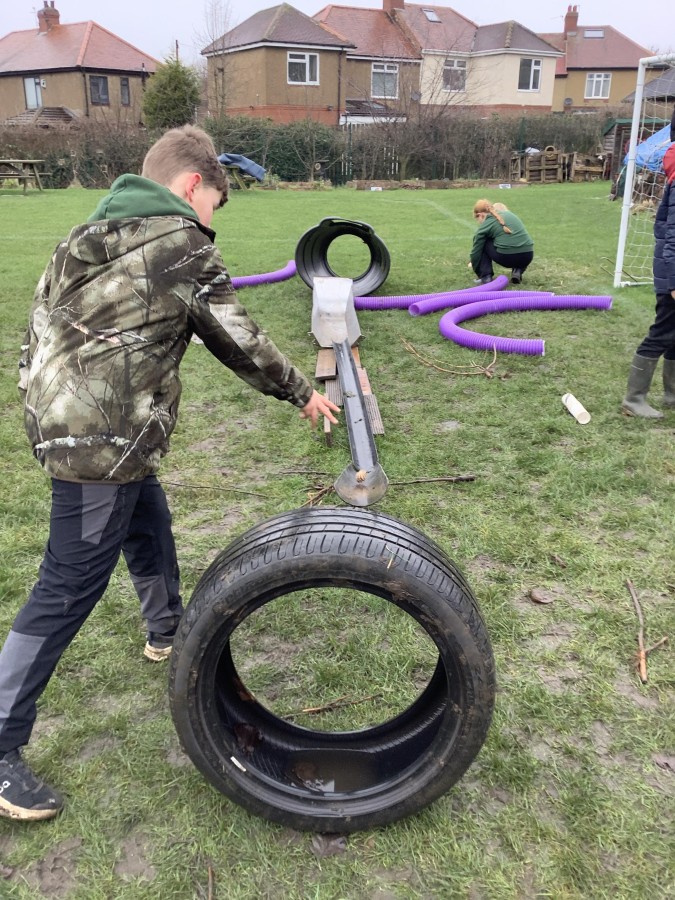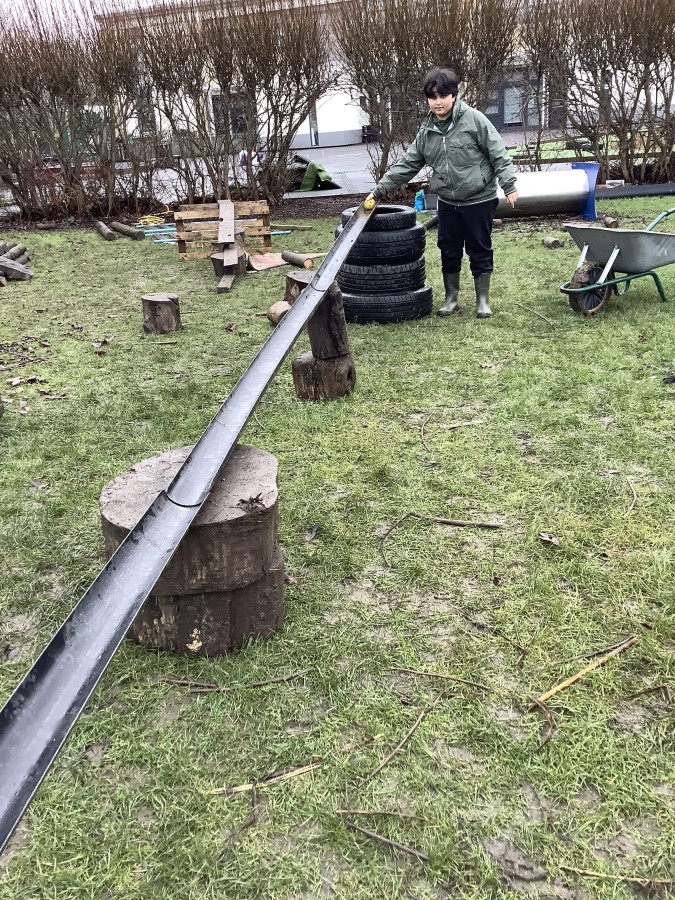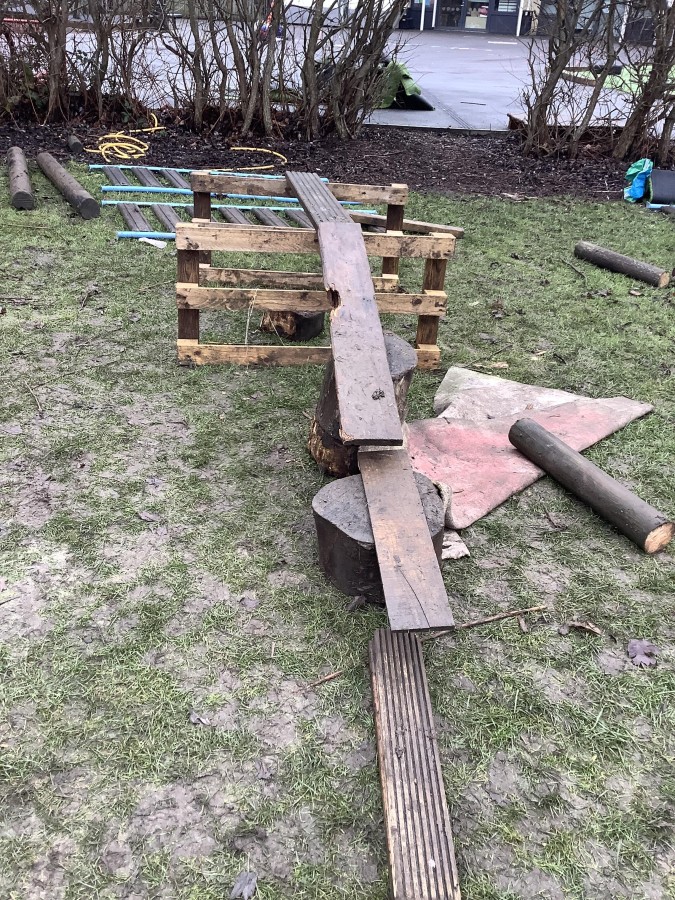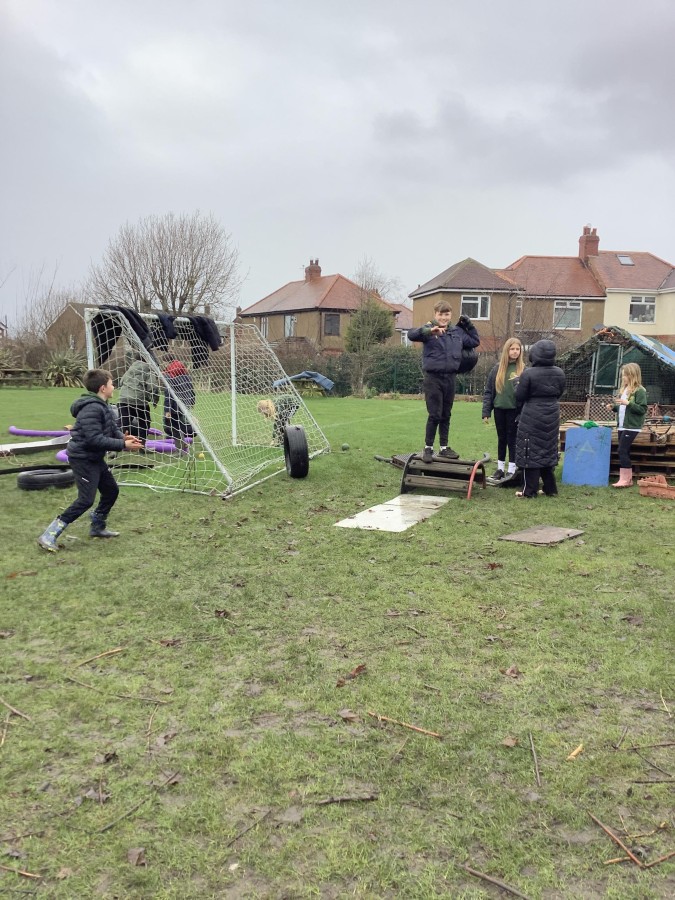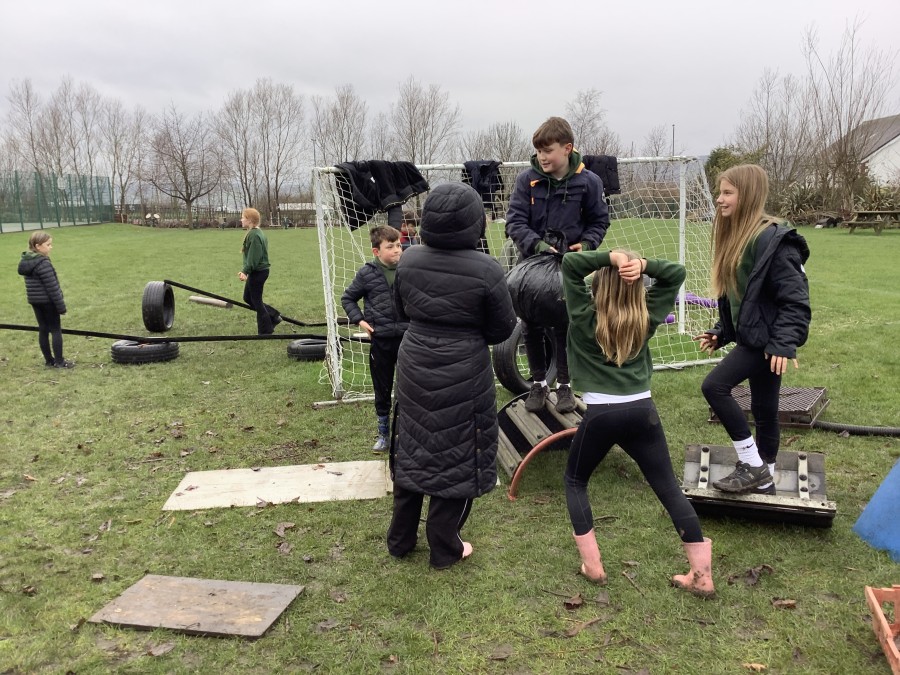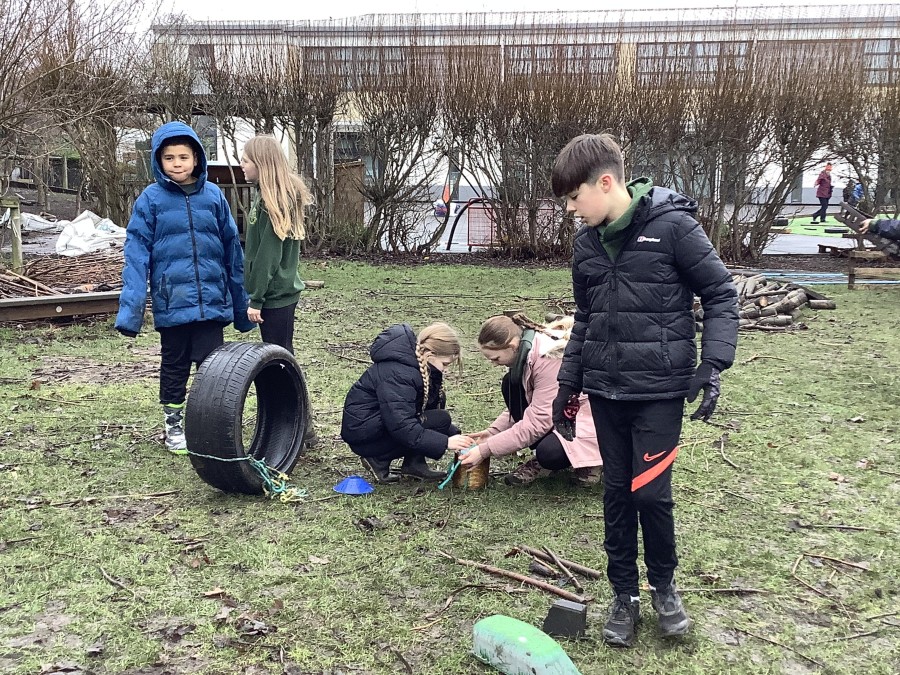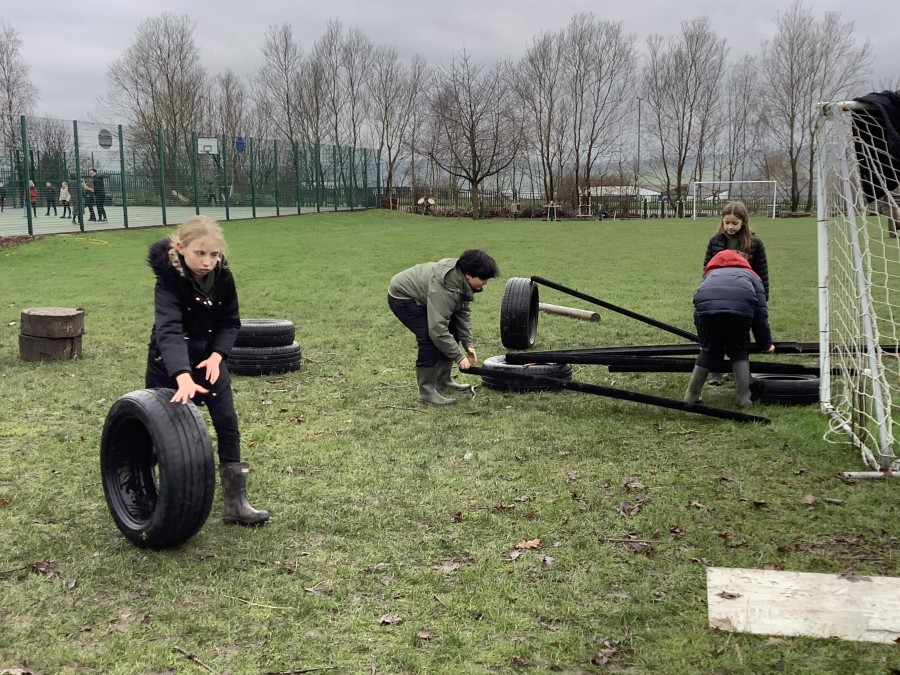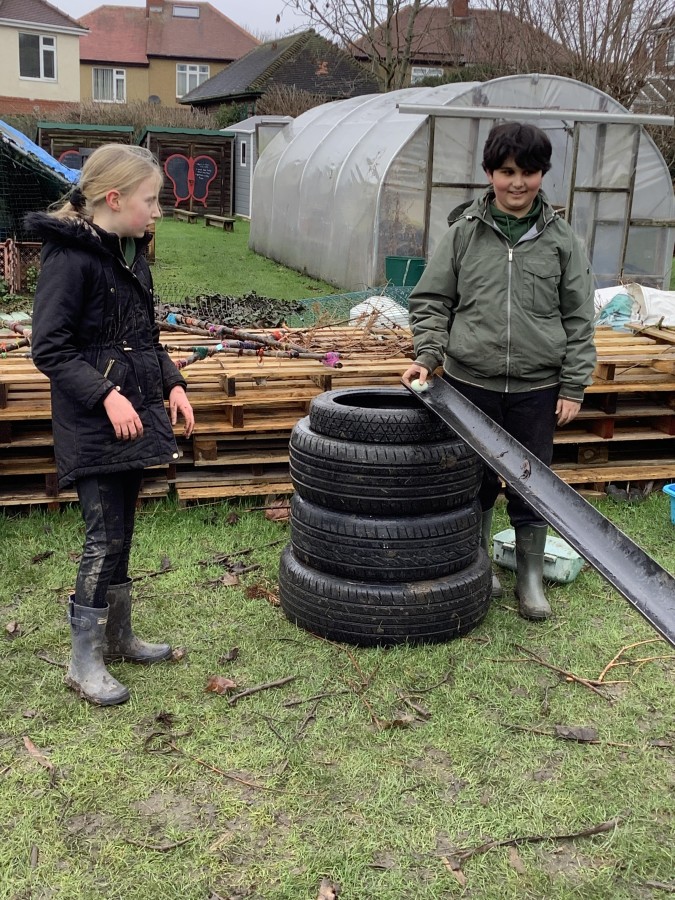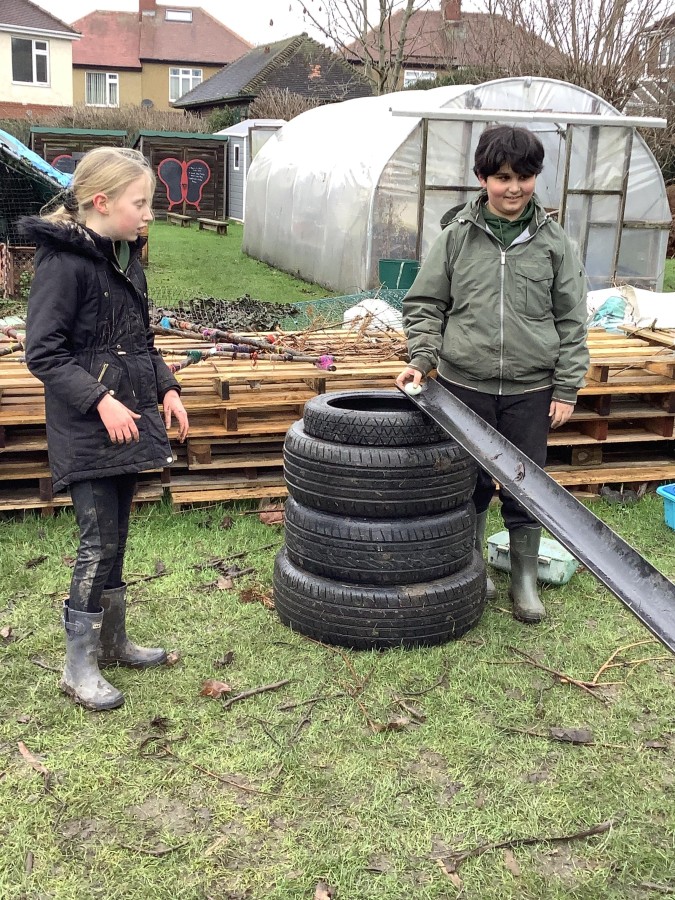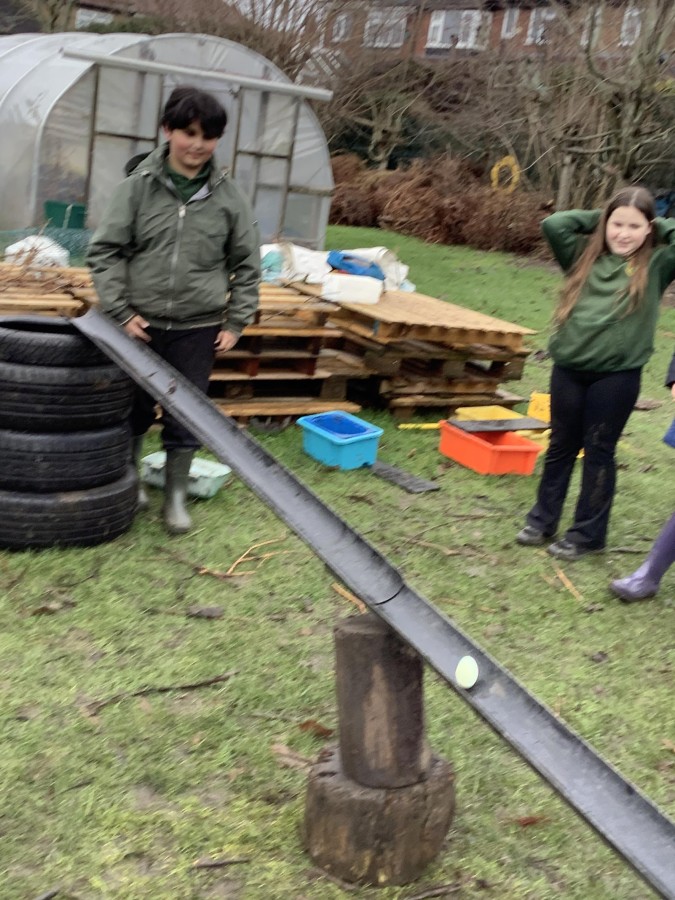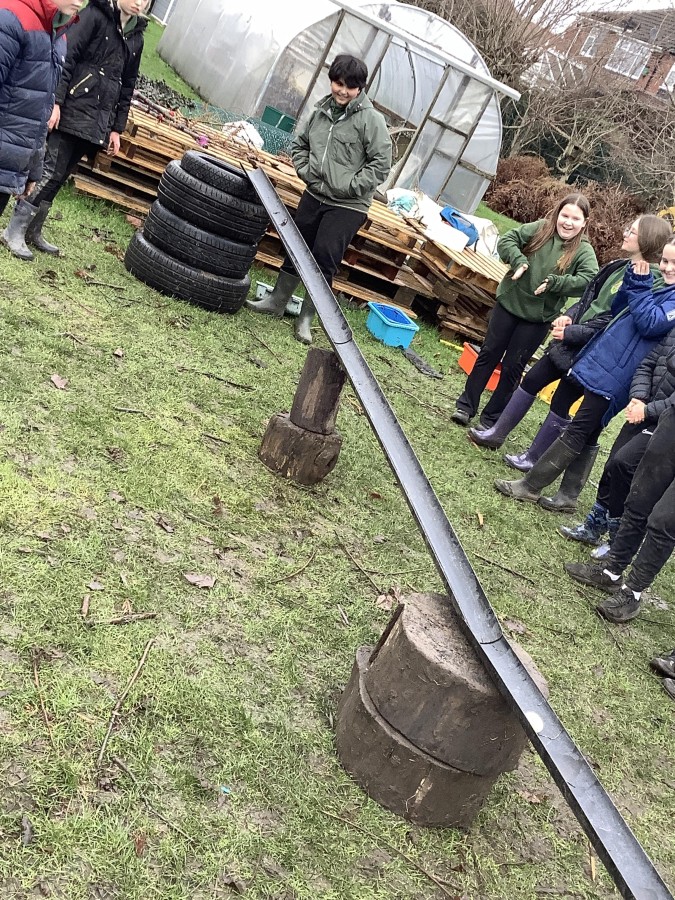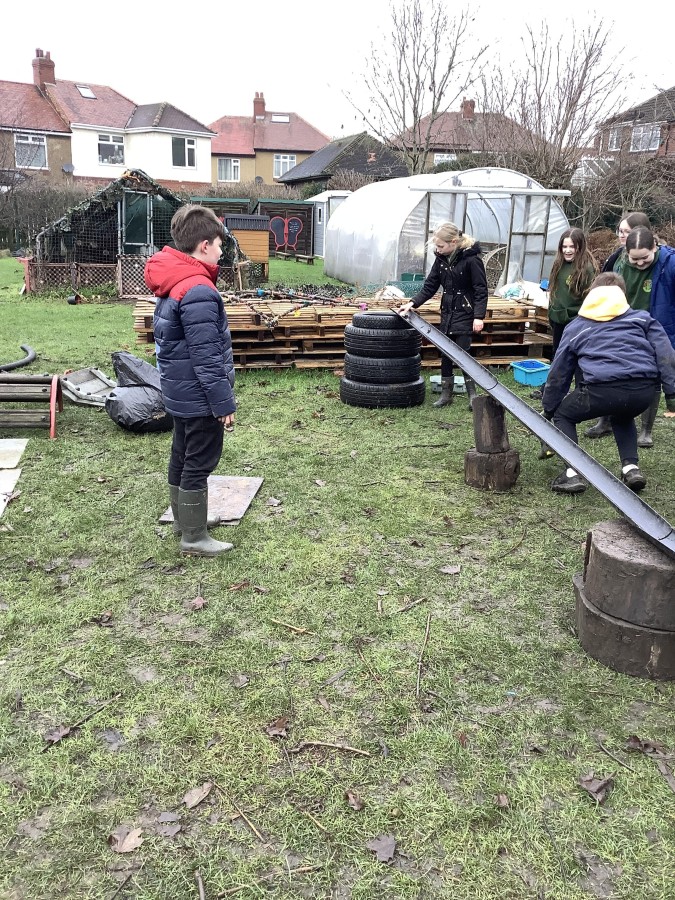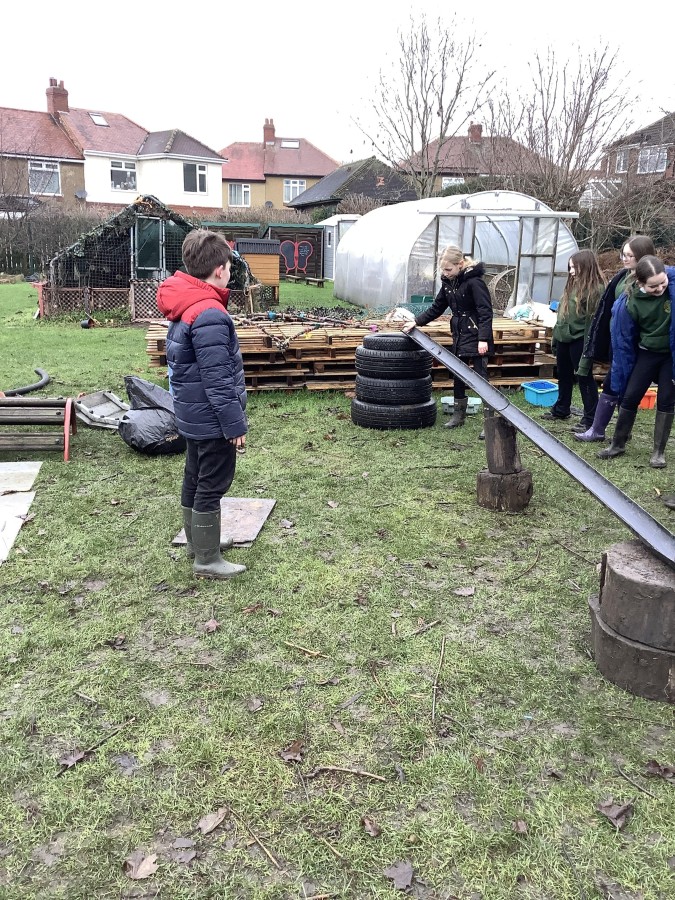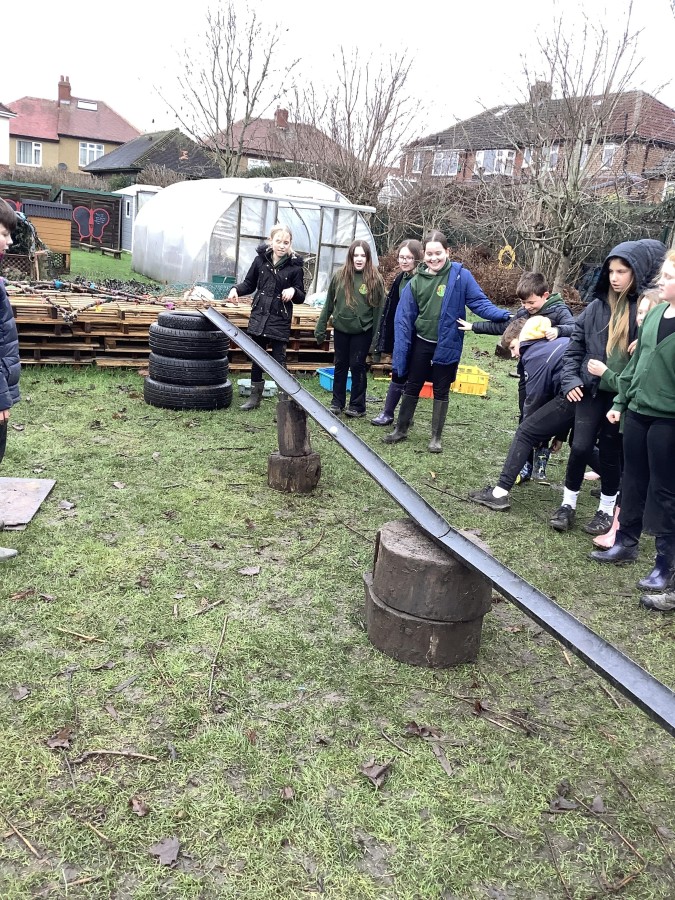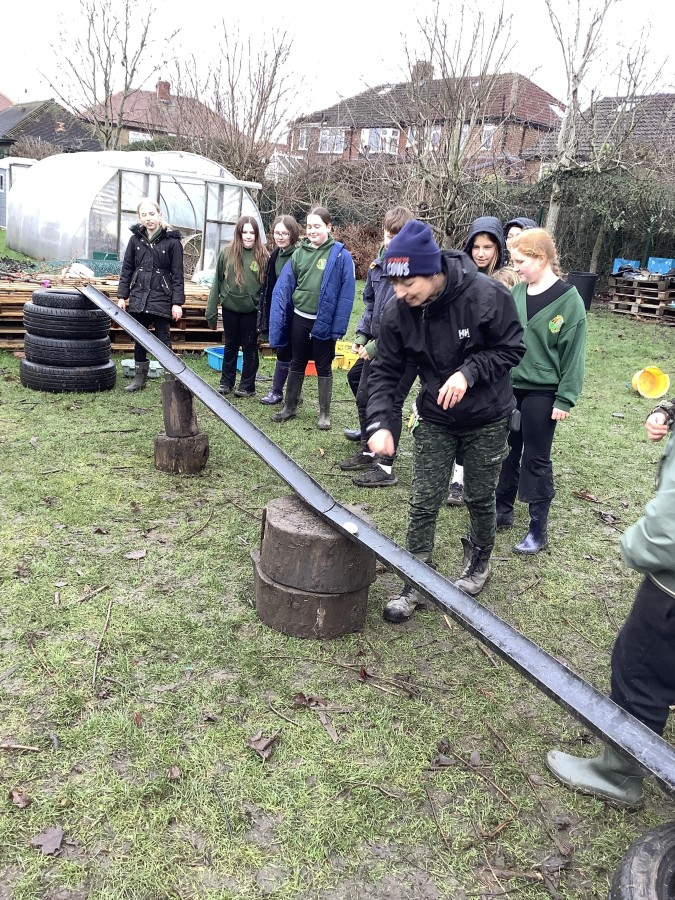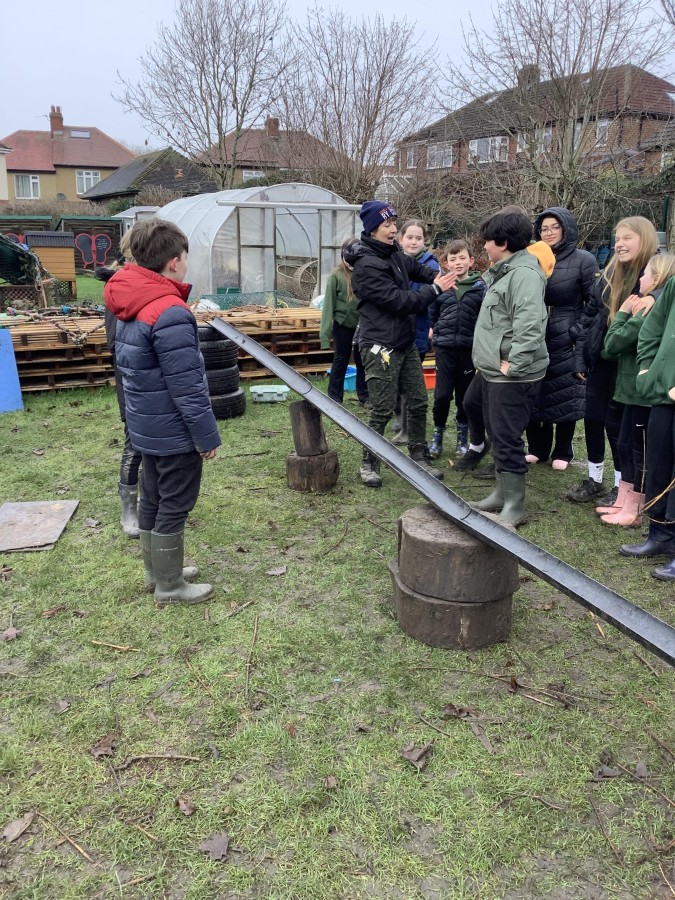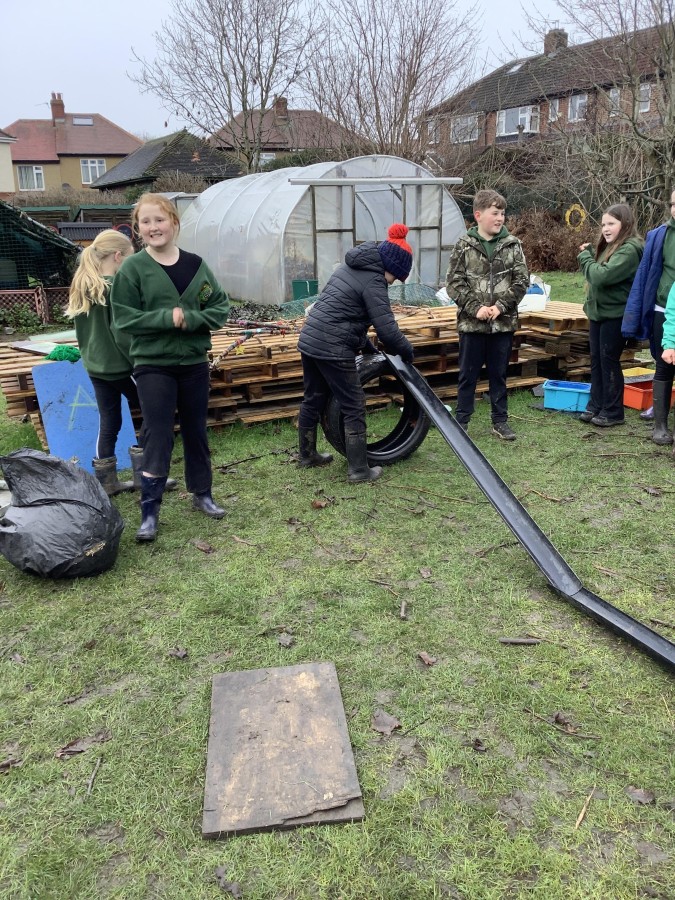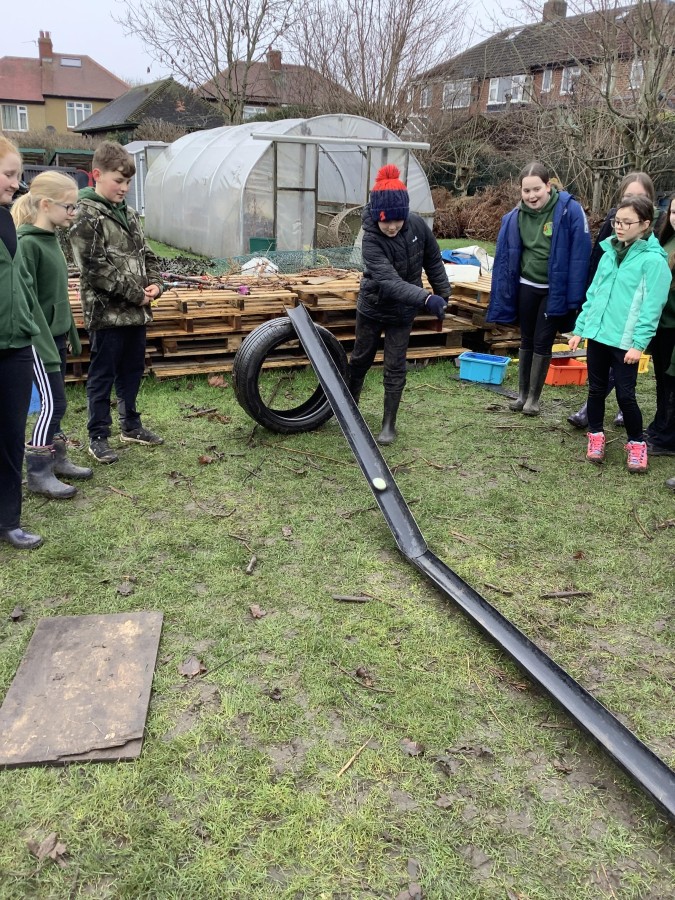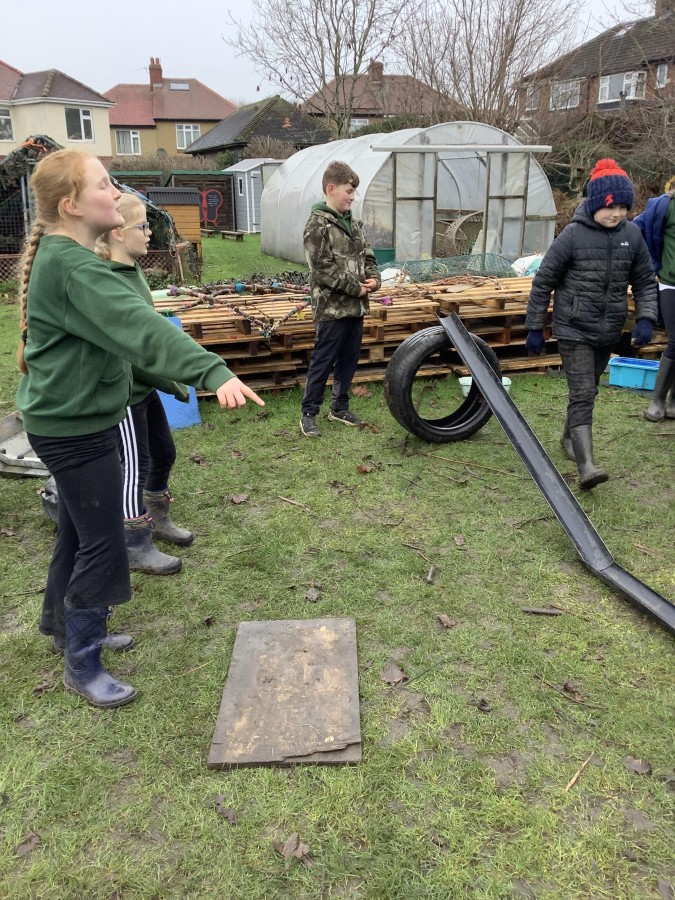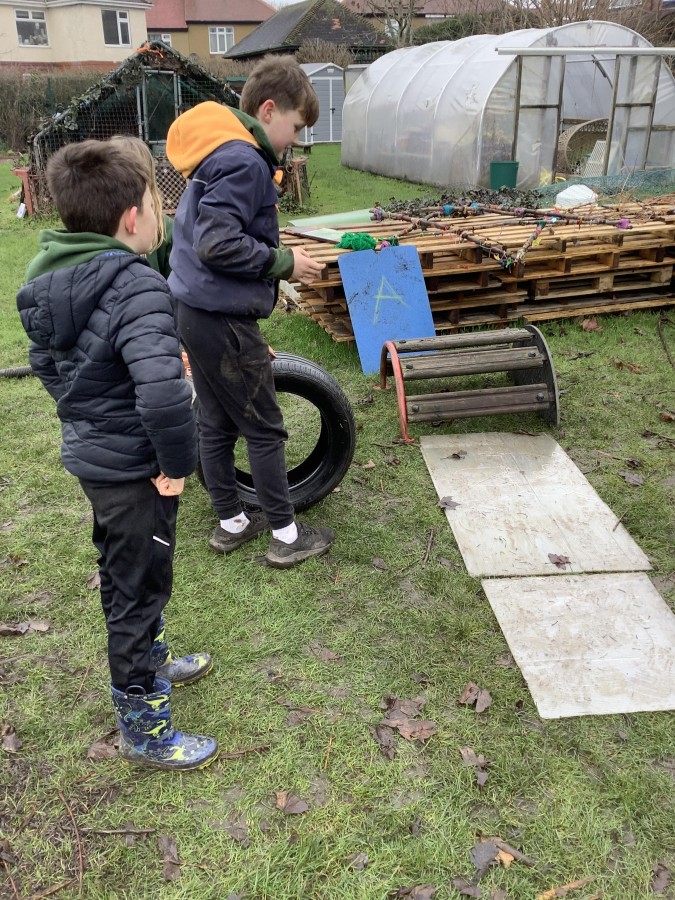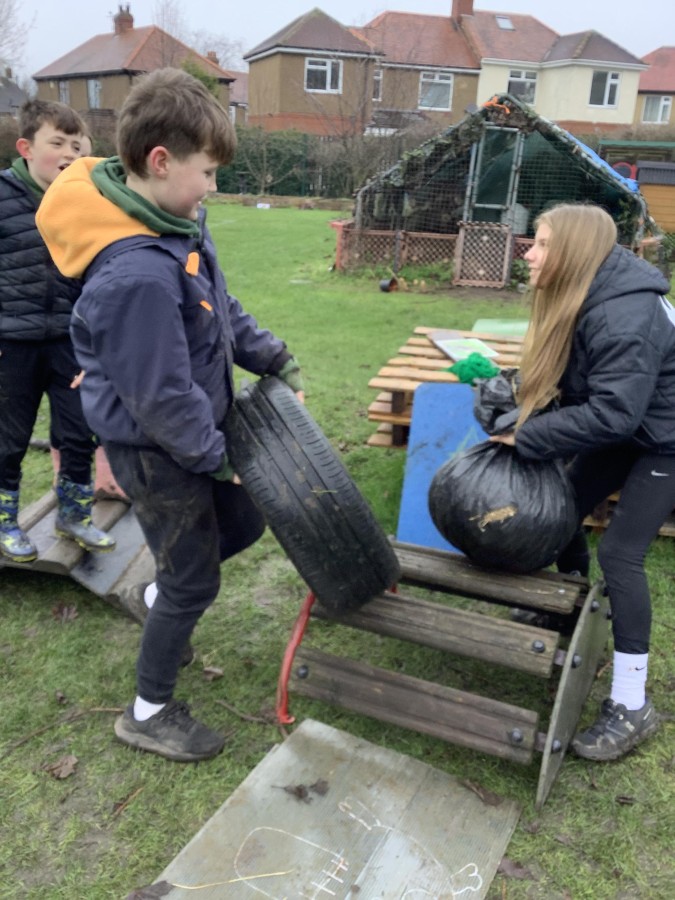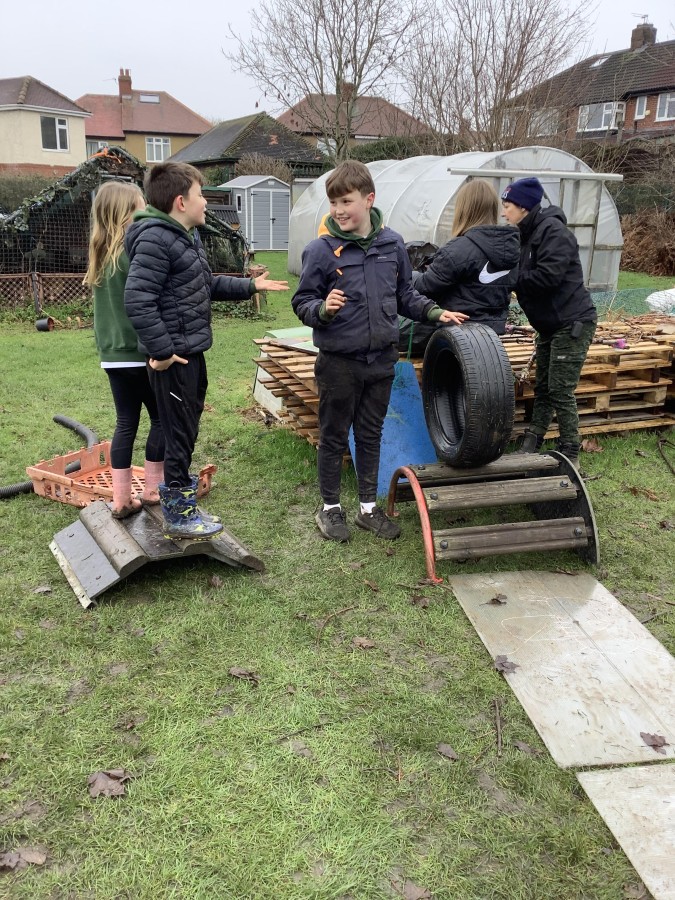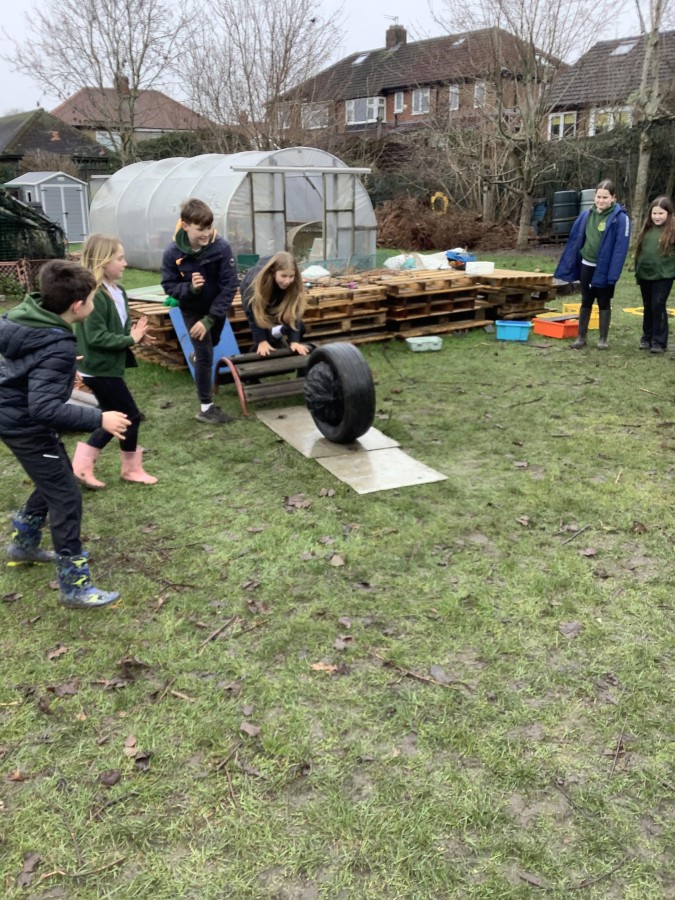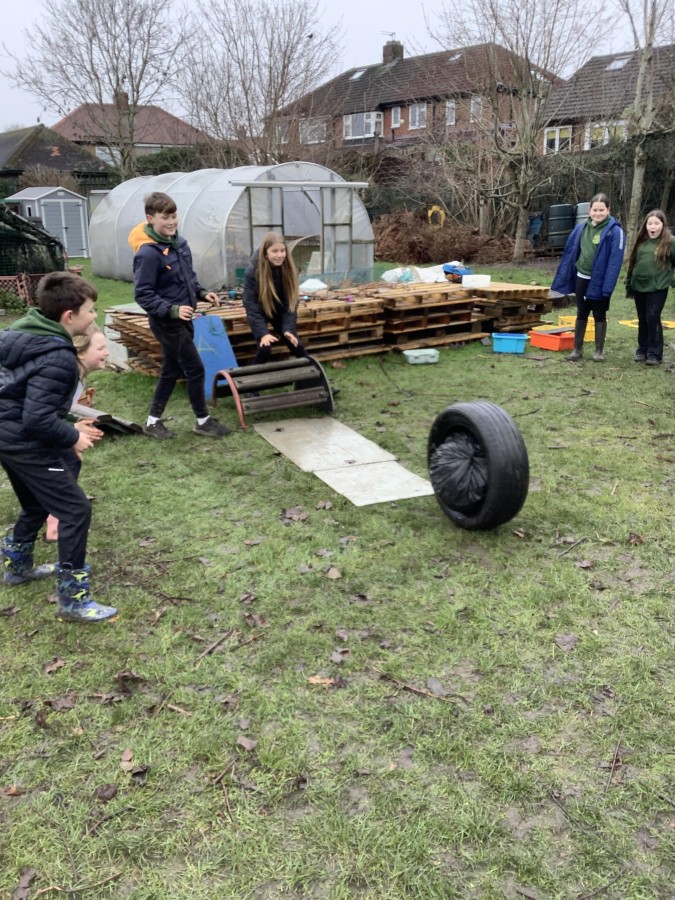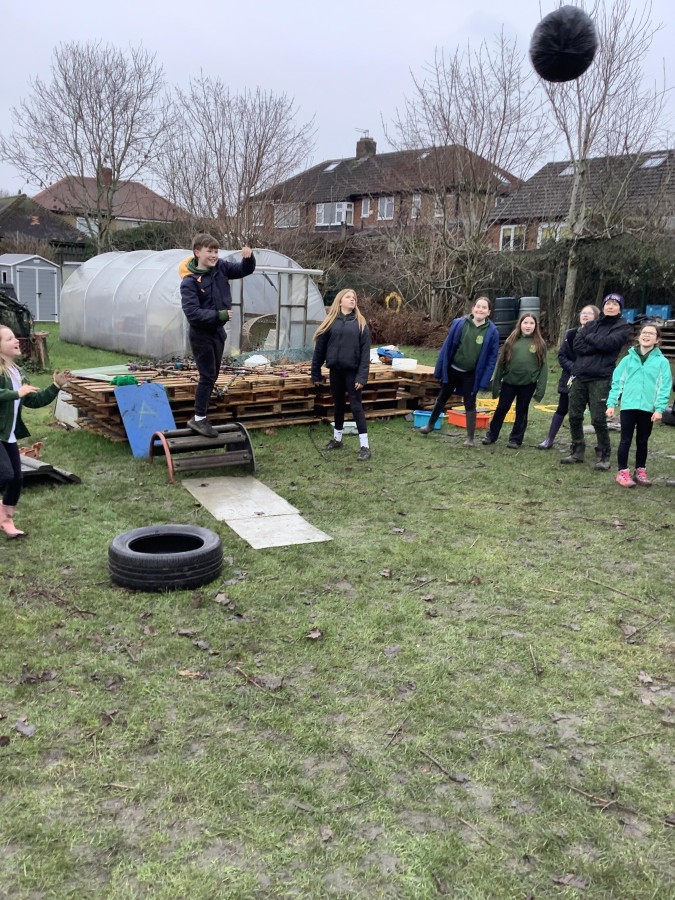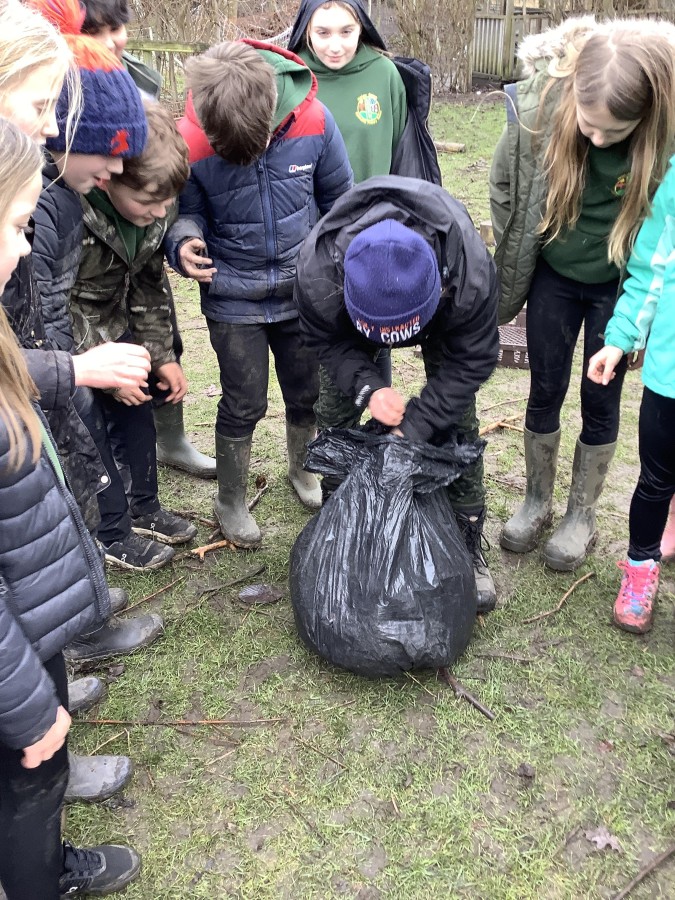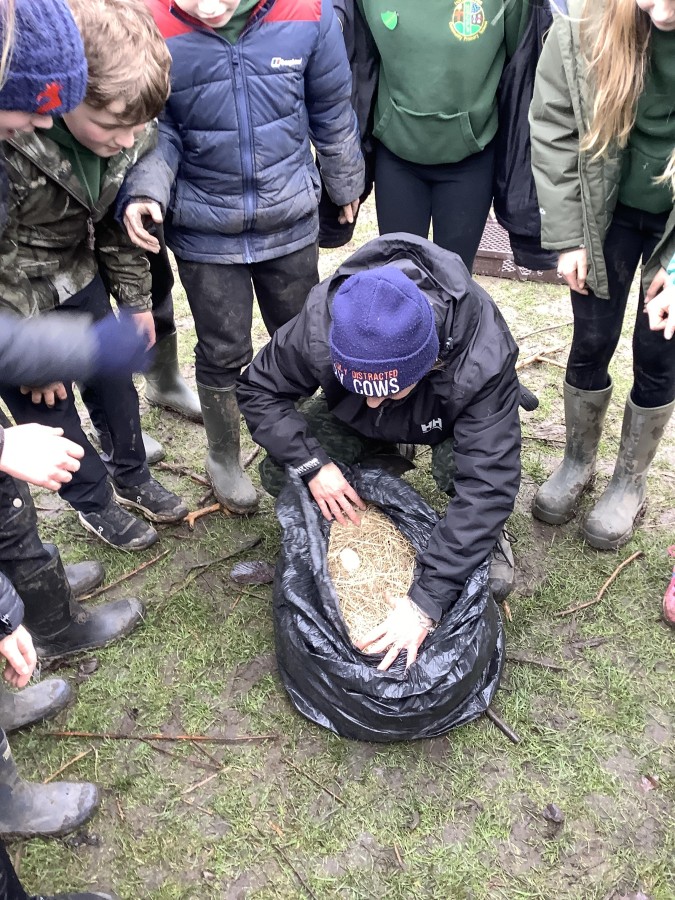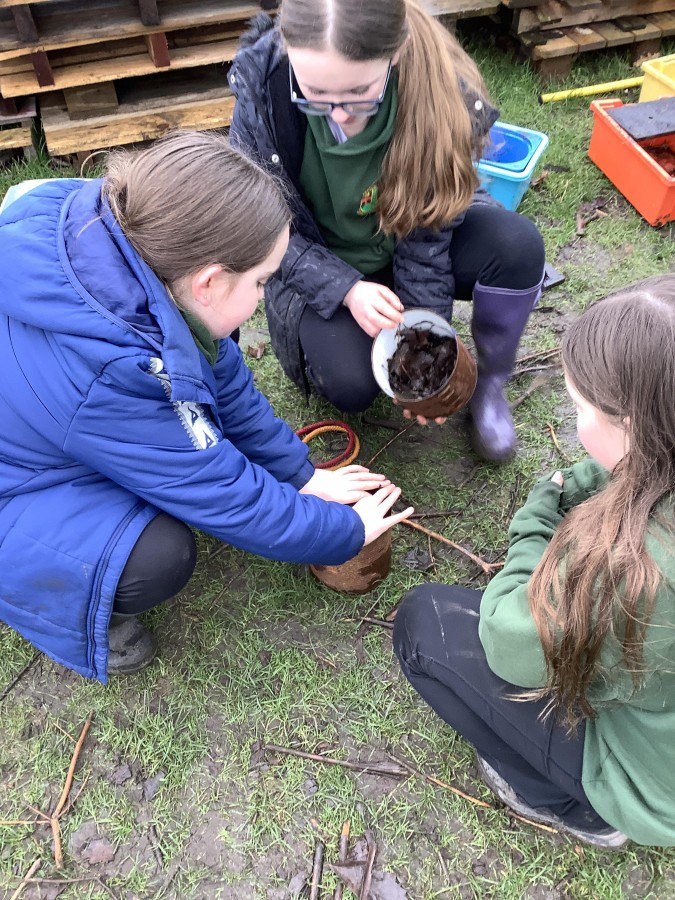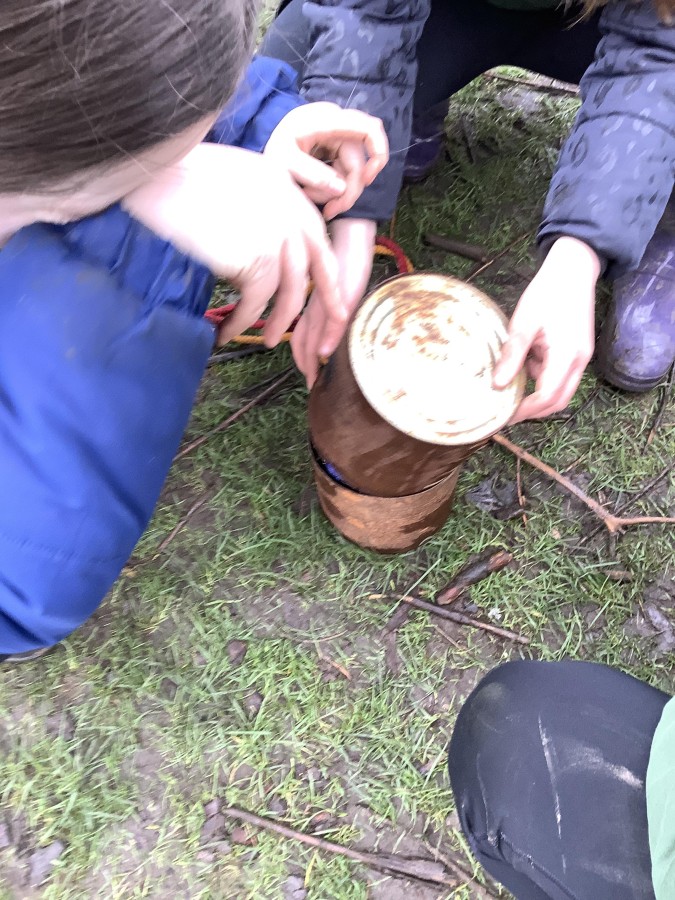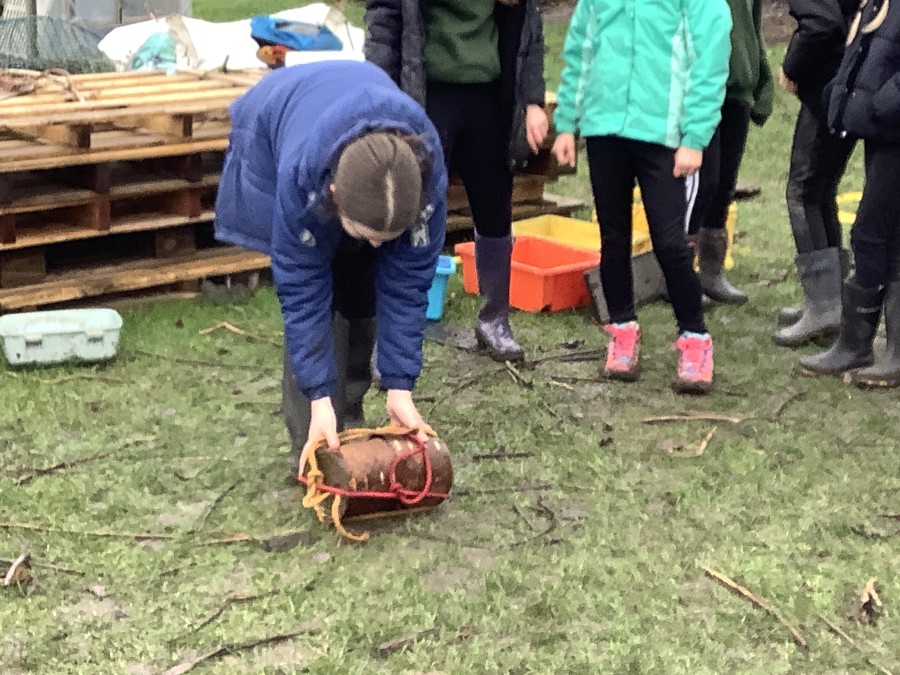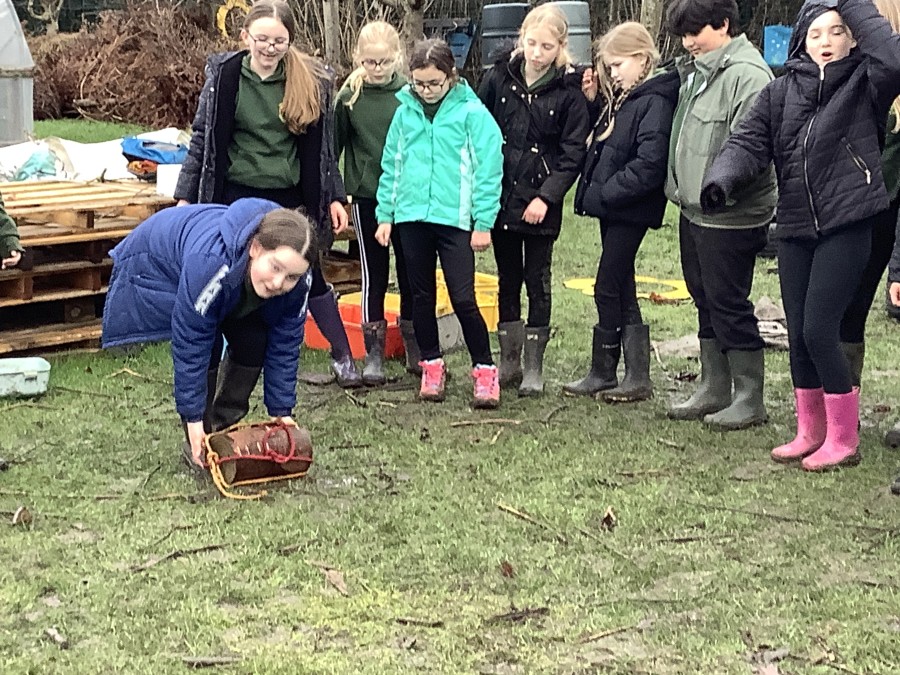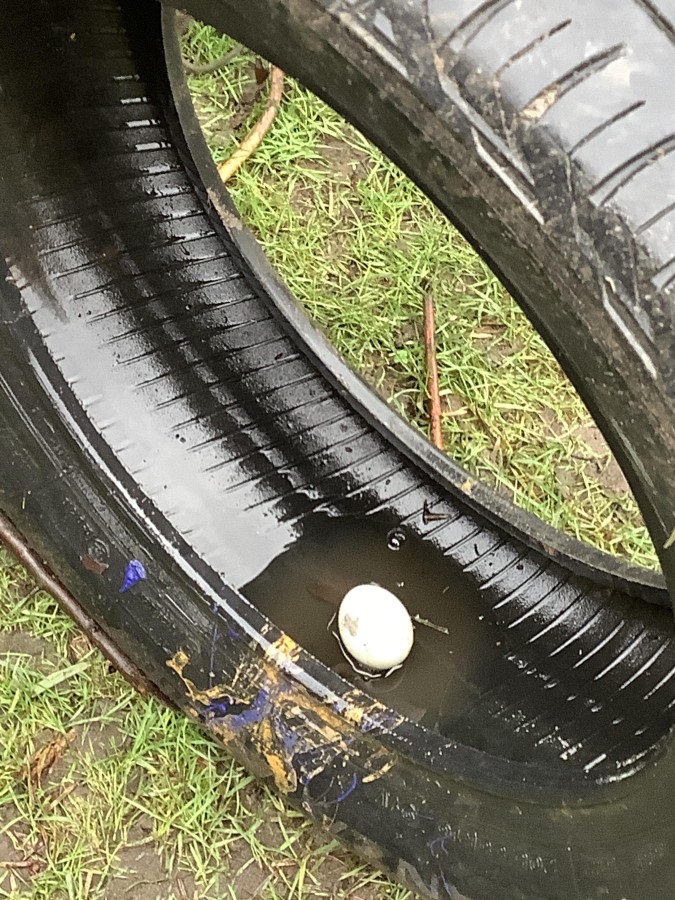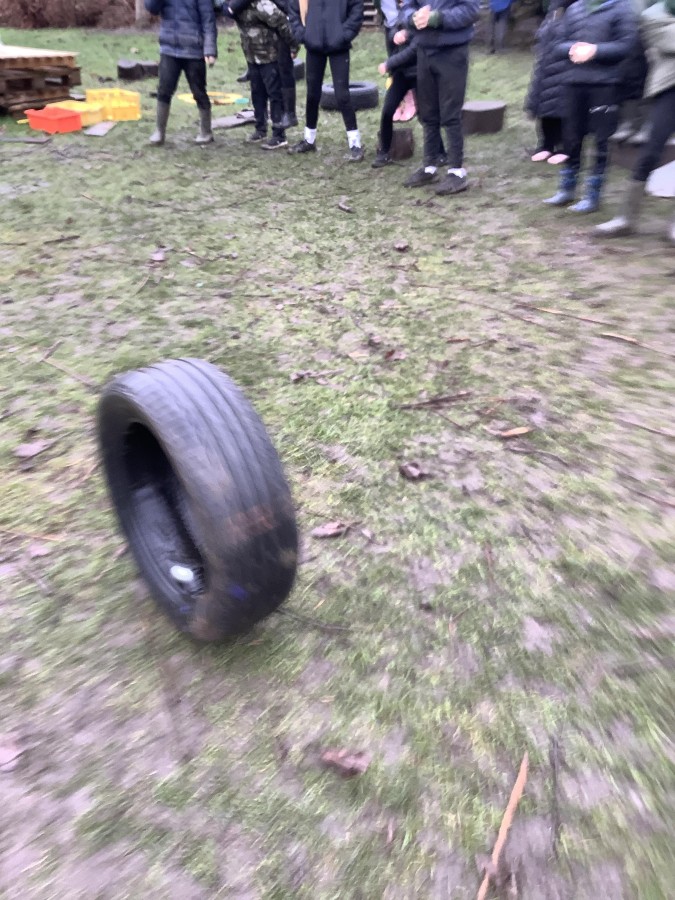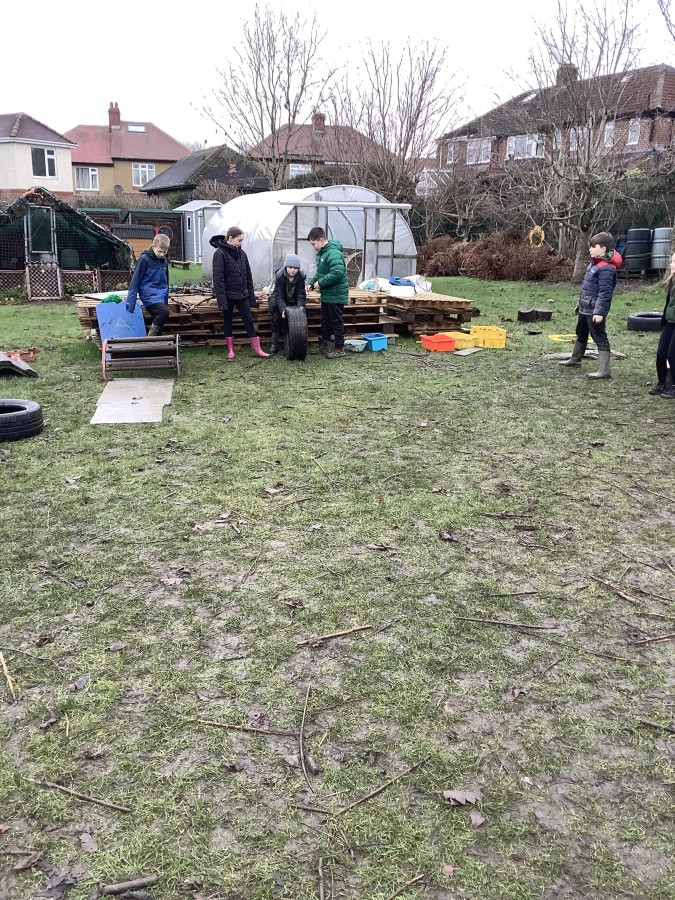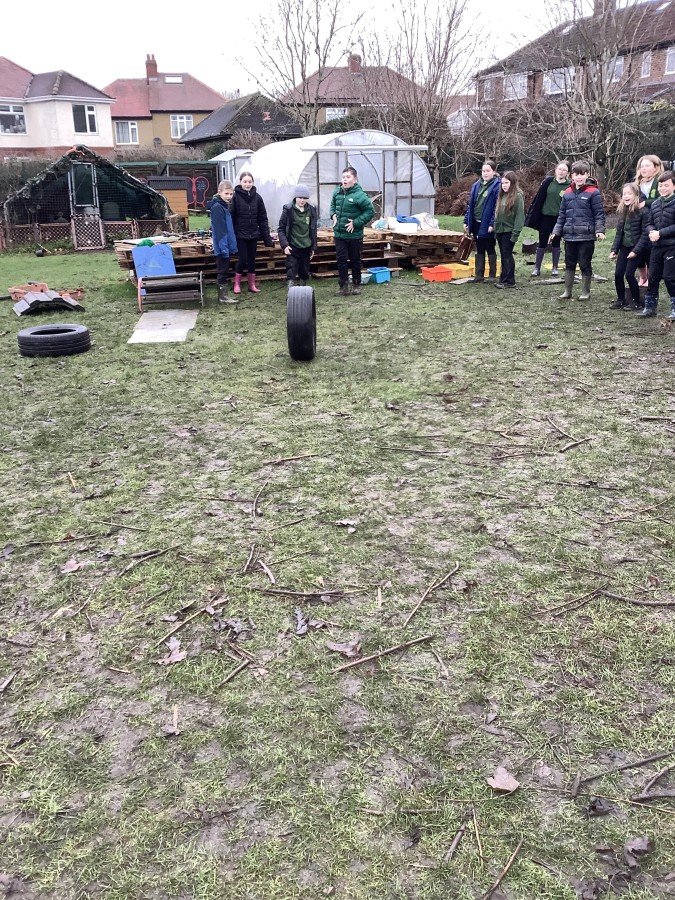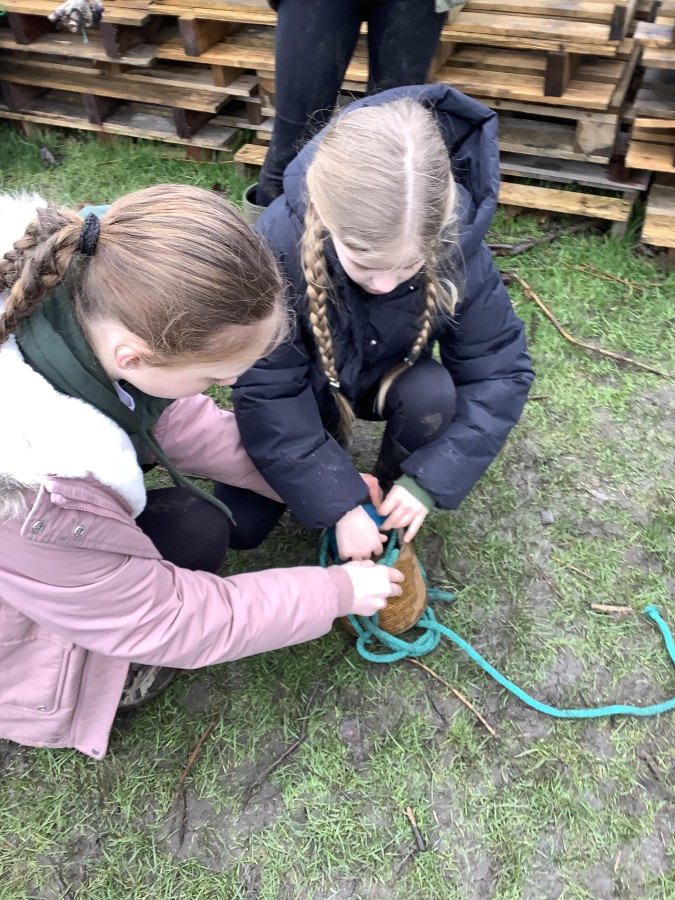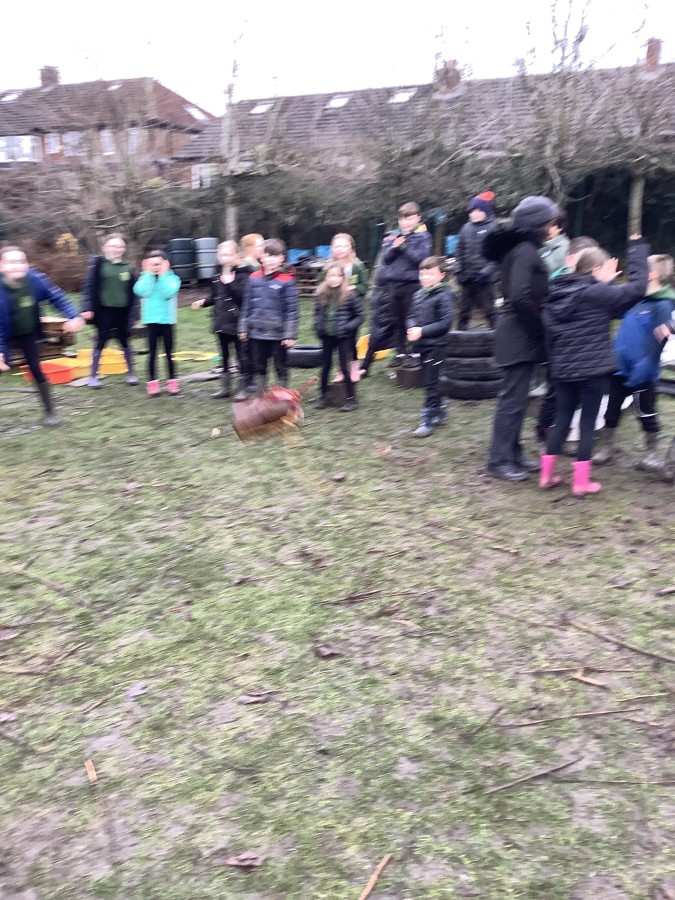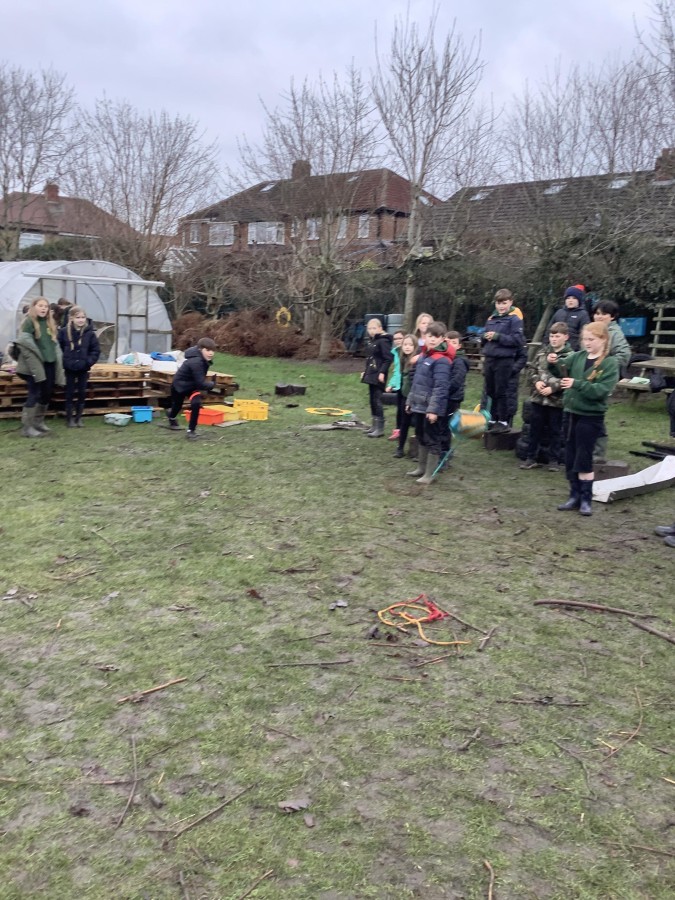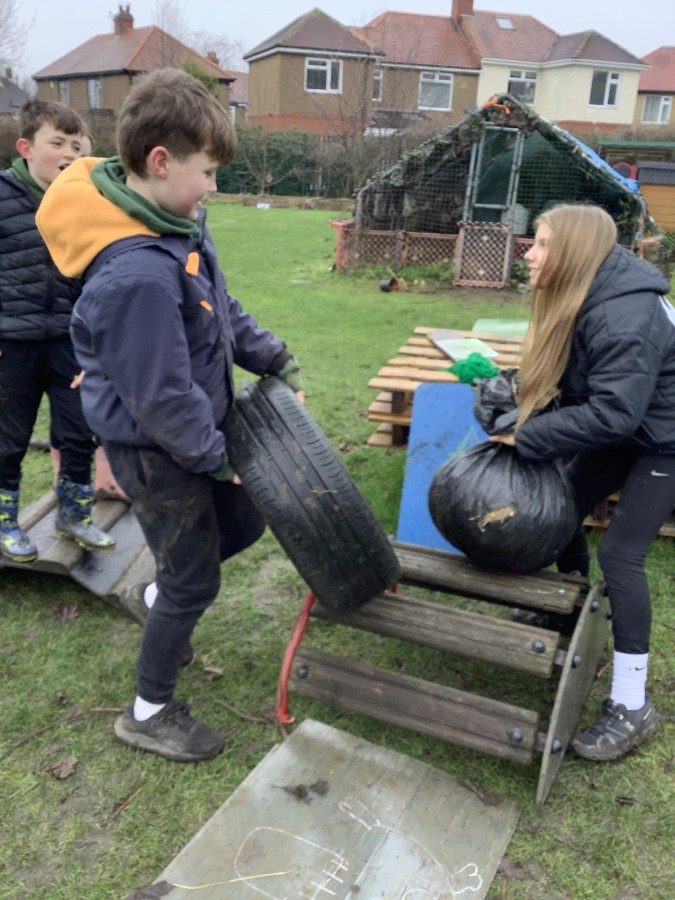
STEM week this week so we gave the children a Forest School style STEM activity.
- CHALLENGER BRIEF:
- Your team must design and build a product to move an egg from point A to point B without it breaking.
- Teams will be provided with a selection of scrap and resources to build their product. You have a total of 30 minutes to plan and build your product.
- RULES: The design must meet the following criteria:
- Minimum of 2 people per team, maximum of 4 (Year 6 have their set groups)
- Your product must be freestanding (not requiring any support from any person or fixed object)
- Year 6 it must be portable
- Only resources provided or foraged can be used for your build
- Team members may not interfere with another team’s build
- The first 10 minutes MUST be spent on planning – NO BUILDING
- You will not be given an egg until your first test run
- Egg can be released by a human hand at point A but cannot be caught in the hand at point B
- Points A and B cannot be moved
- No humans between points A and B
When we devise activities like this and give the children teams, we see a pattern of behaviour that really follows Truckmans Stages of Team Development. As the children already know each other the “forming” stage, is usually very quick, they guage each others mood and a bit of planning begins. Then they go full thrust in the “storming” phase. For adults unfamiliar to this stage it can be a little unsettling. Team members can be seen competing for ideas, there can be push and pull over roles and dominance, flashes of frustration and as the name suggests it can appear physically and emotionally chaotic. As it progresses and with check ins from the adults it is the key to good problem solving as a team. It leads directly into “norming” where the team settles into their roles and begin to discuss plans. Some teams can get stuck at this stage and in reflection we learnt that this happened today. But recognising that and being able to see why that happened is a really important part of the teams journey. Other teams move to the “performing” stage, this is where the plans are executed.
The children had lots of fun and there were some really interesting ideas. During reflection they discussed how things went, varying interpretation of the rules and team dynamics. As a class they are incredibly self aware, and one team who have been really working on getting out of the “storming” phase over the last few weeks finally made it to “norming” and had a session without an argument. They were thrilled. On a practical level they discussed why eggs don’t like to roll in a straight line so testing with a ball may not give a realistic outcome.