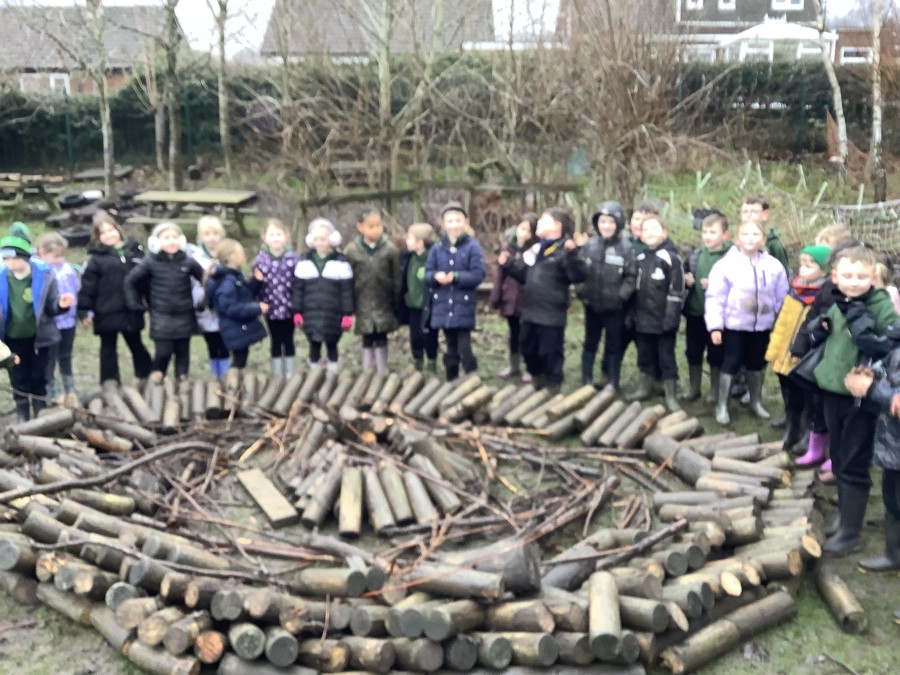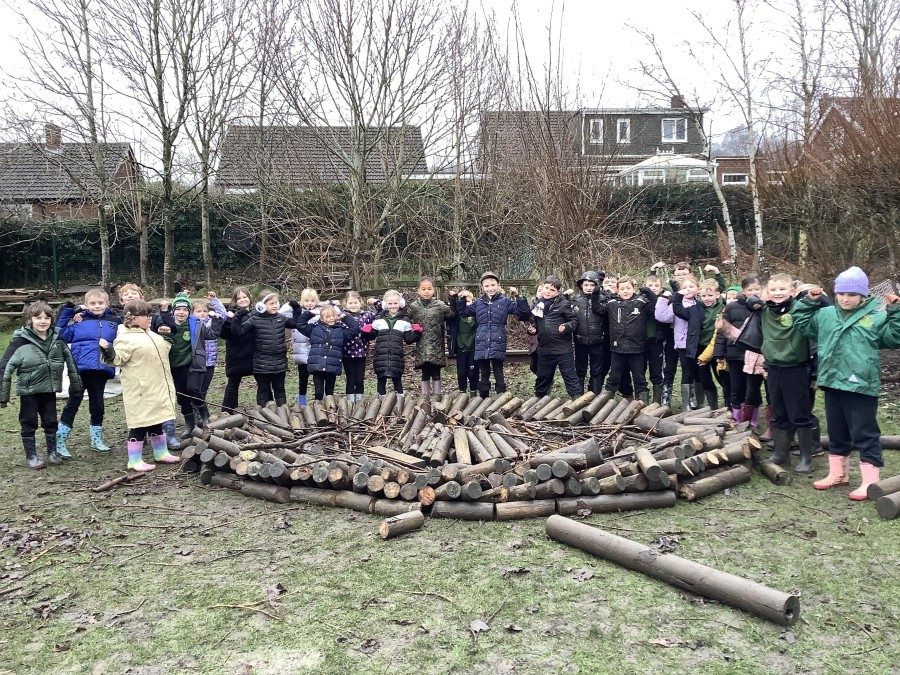
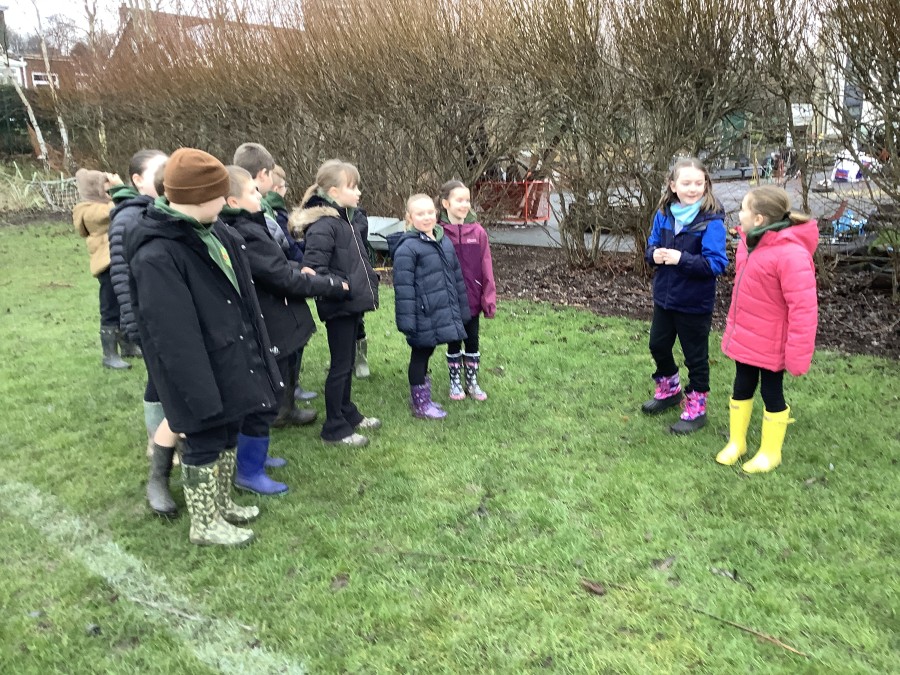
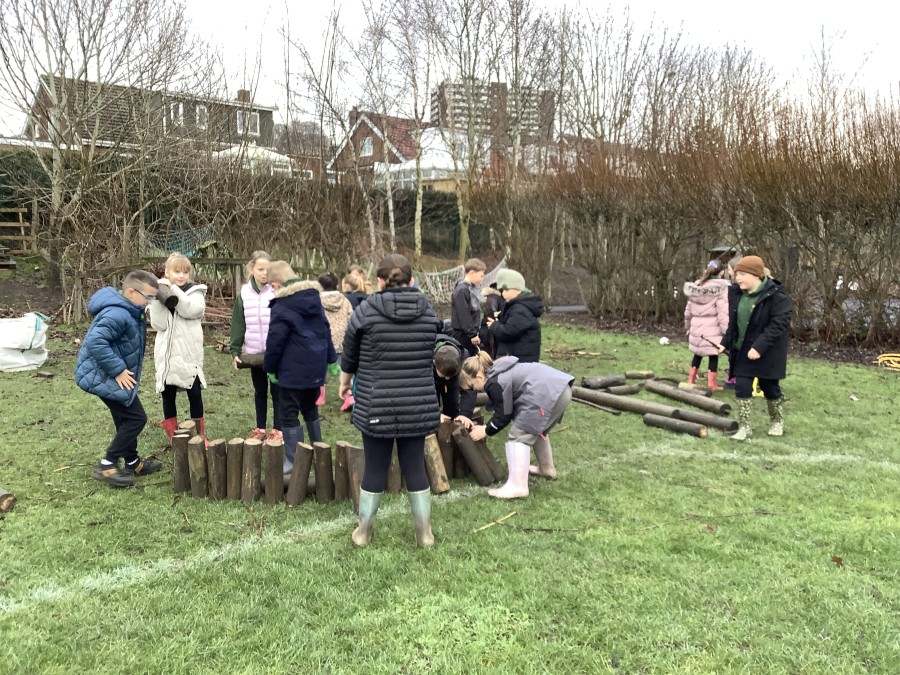
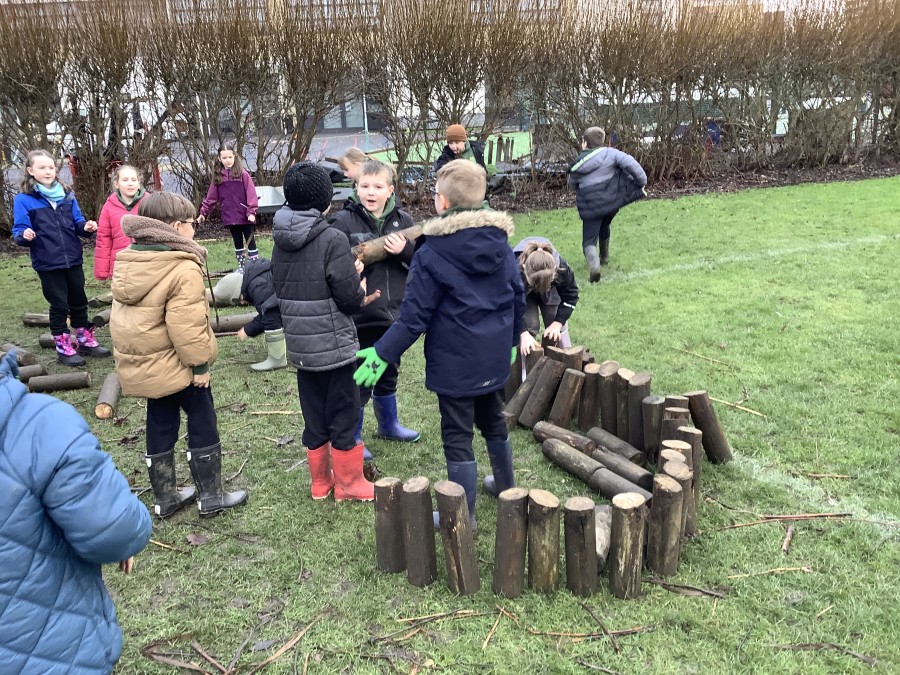
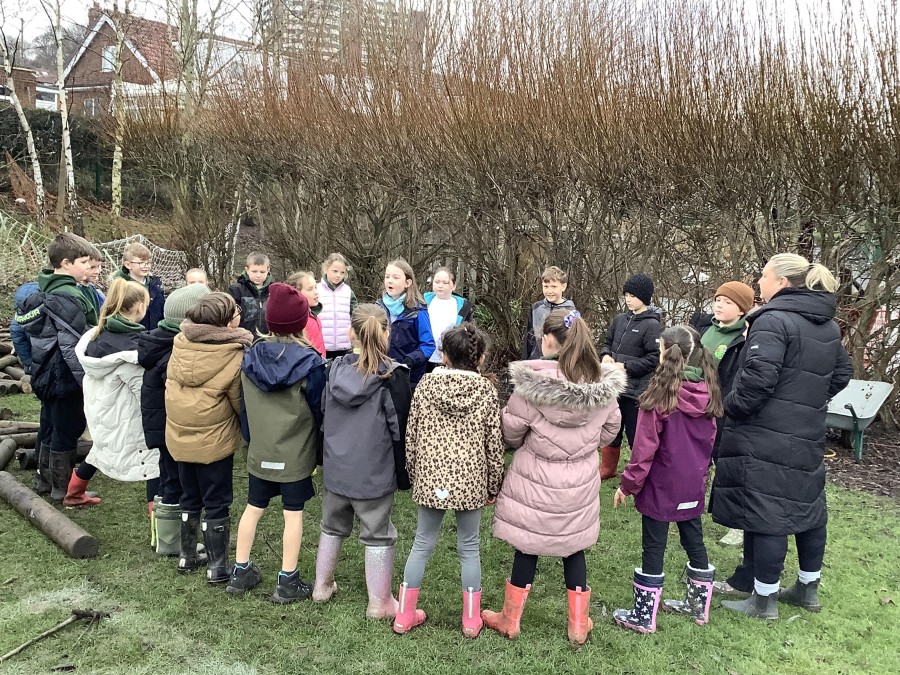
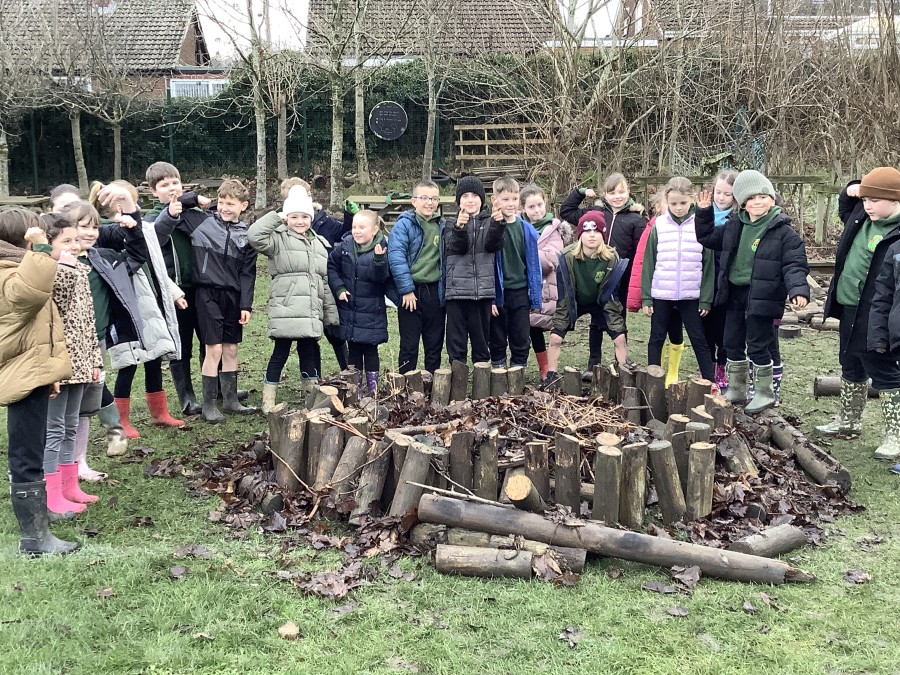
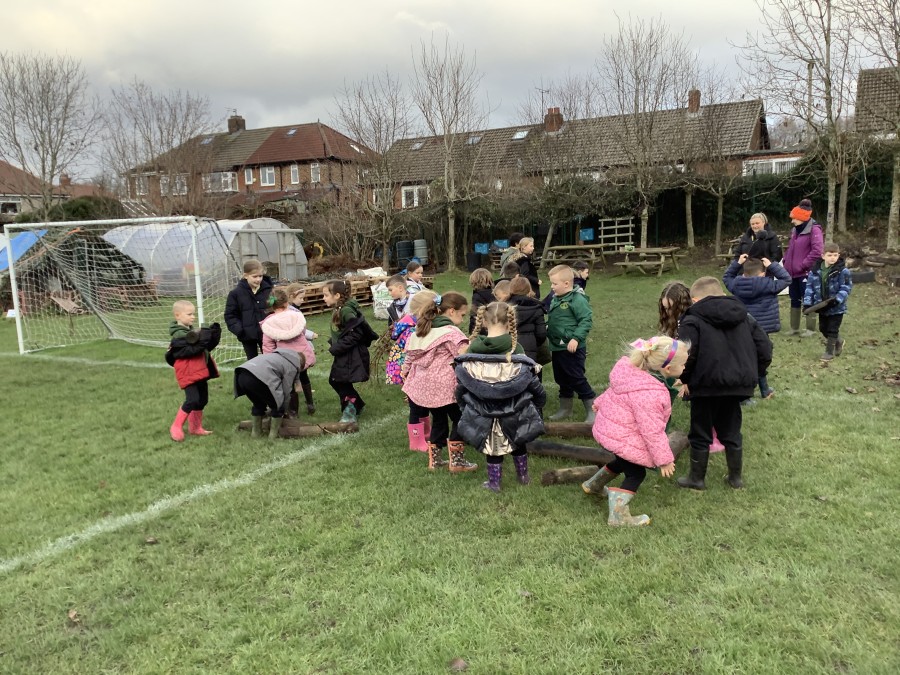
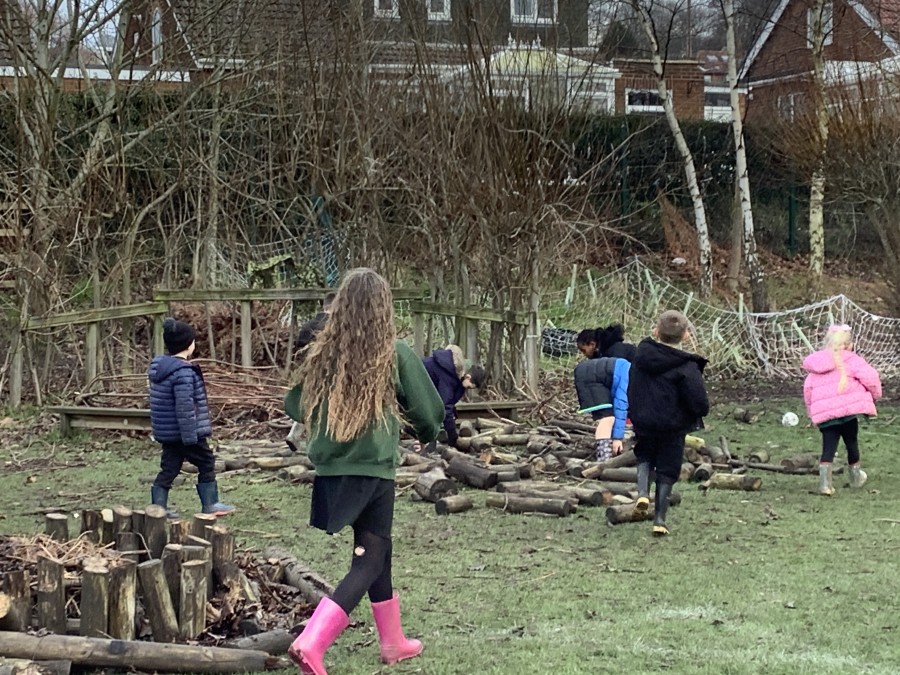
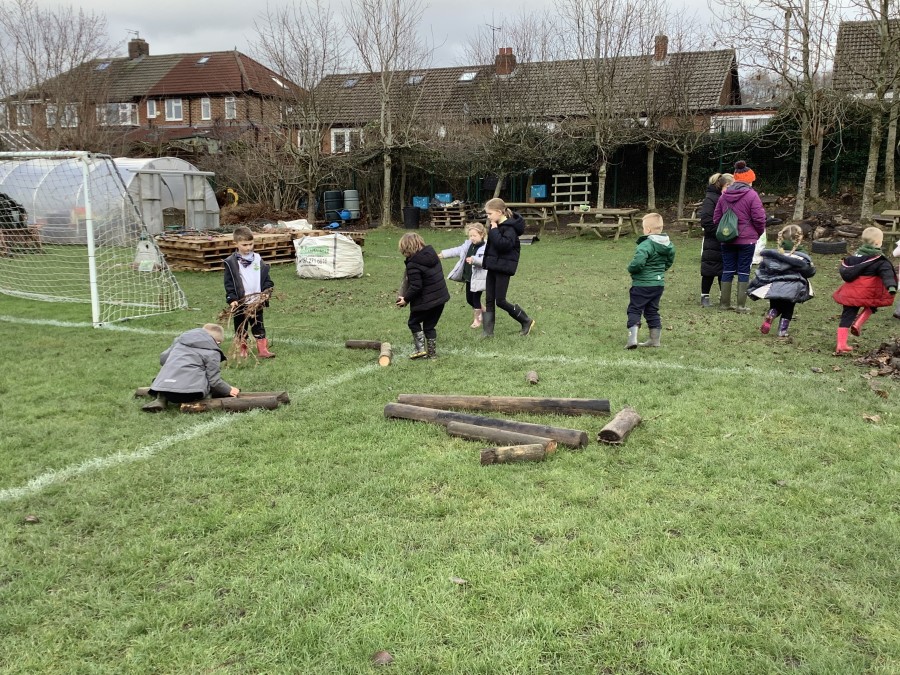
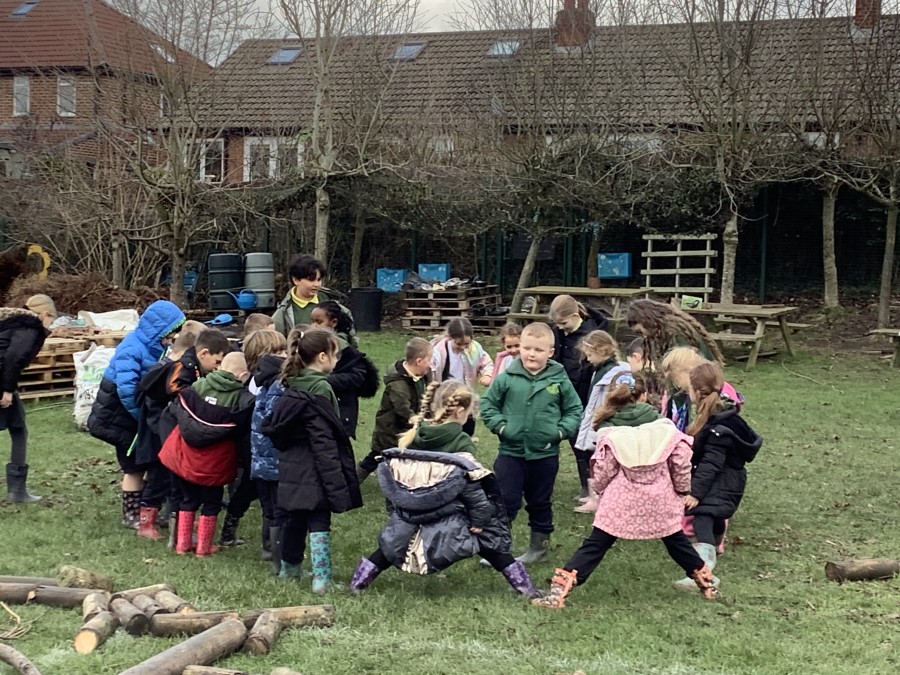
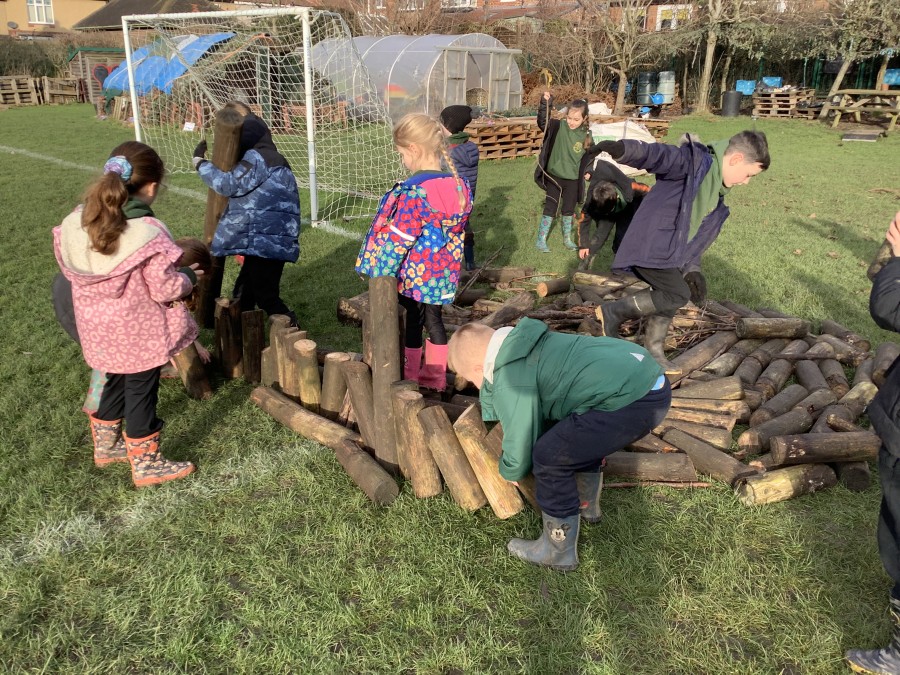
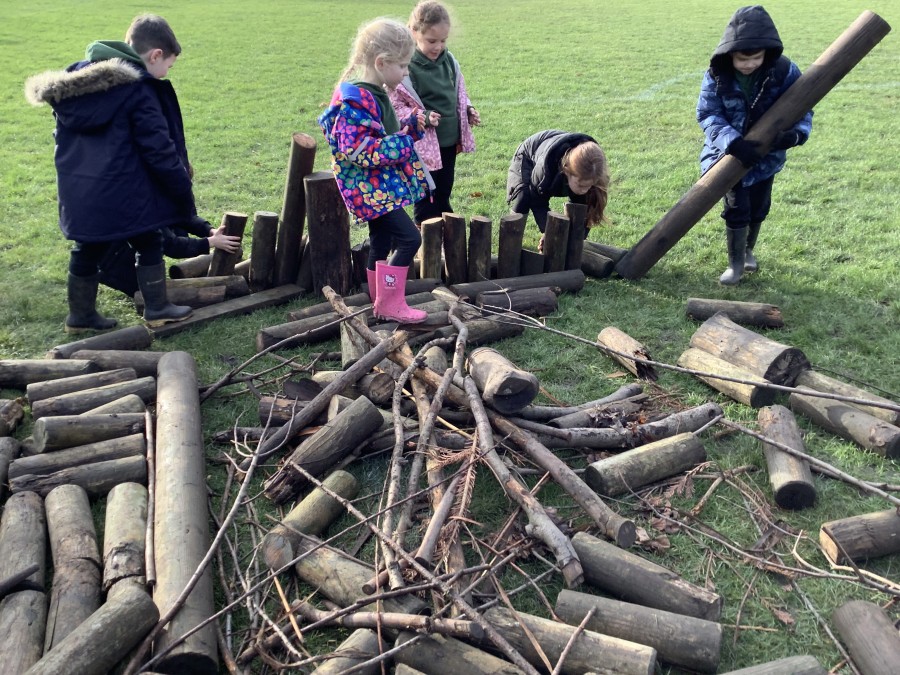
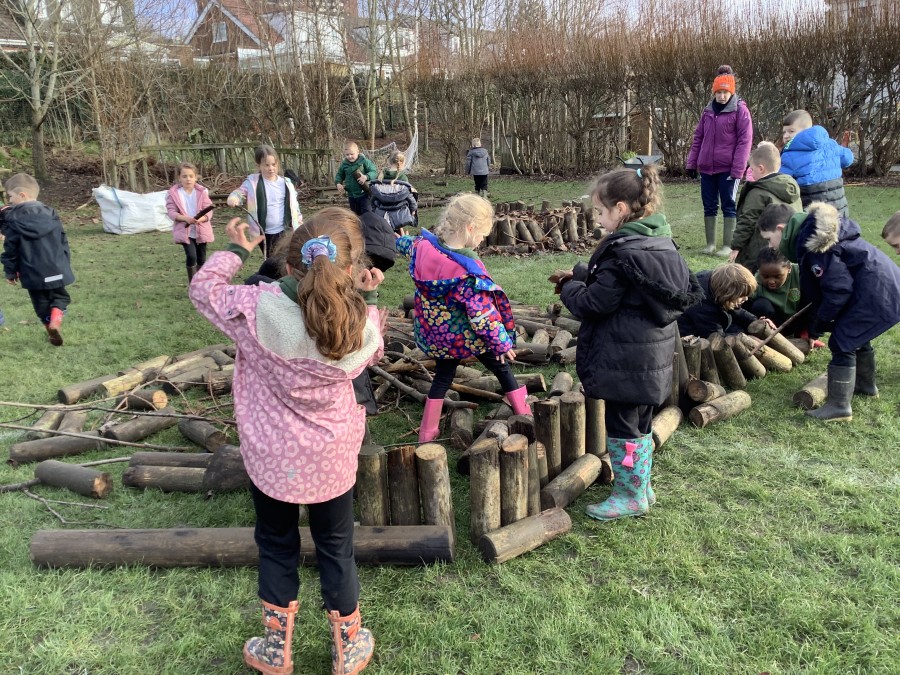
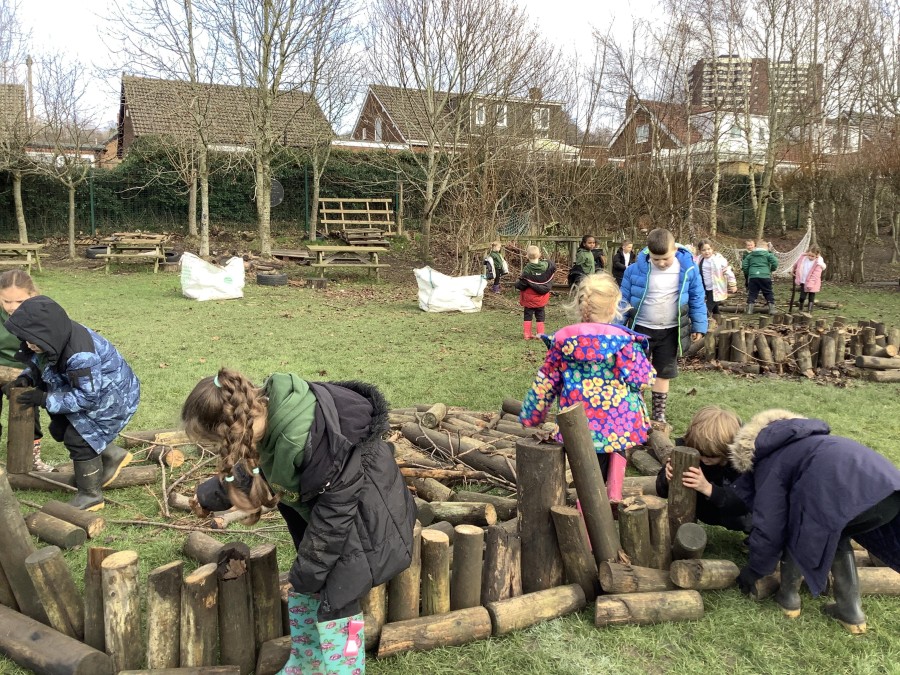
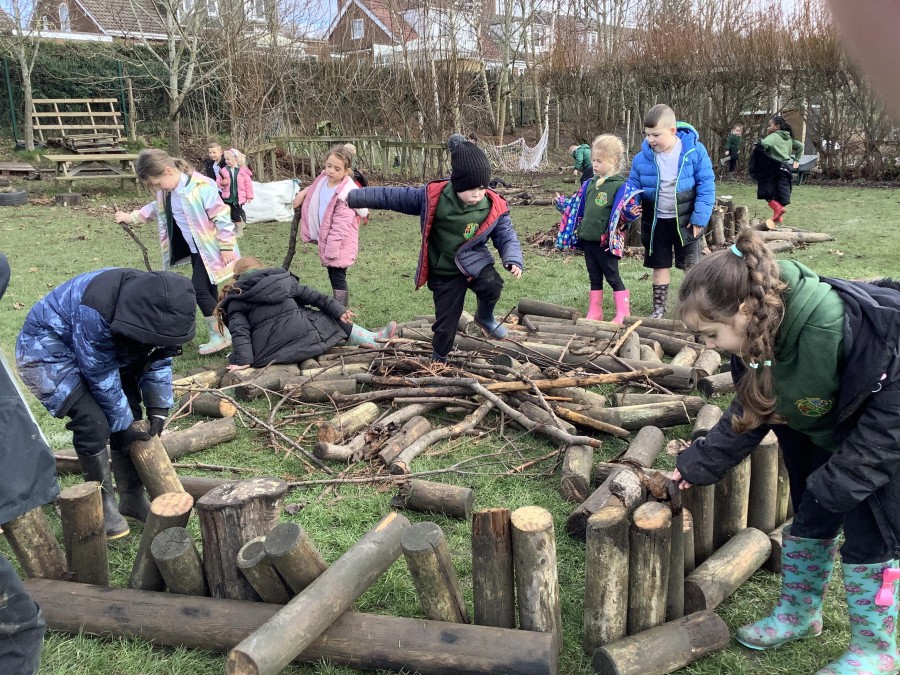
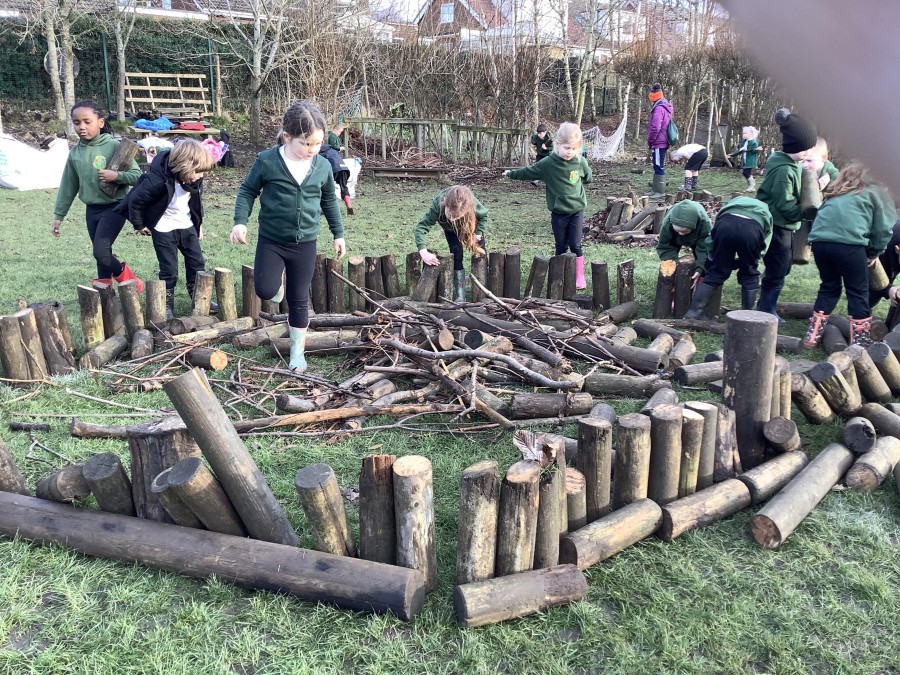
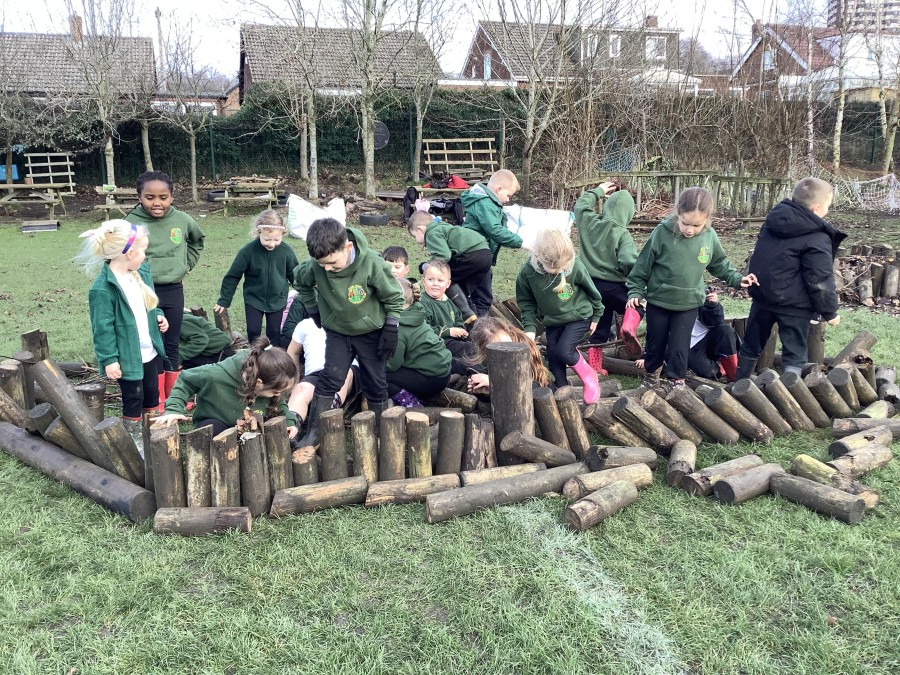
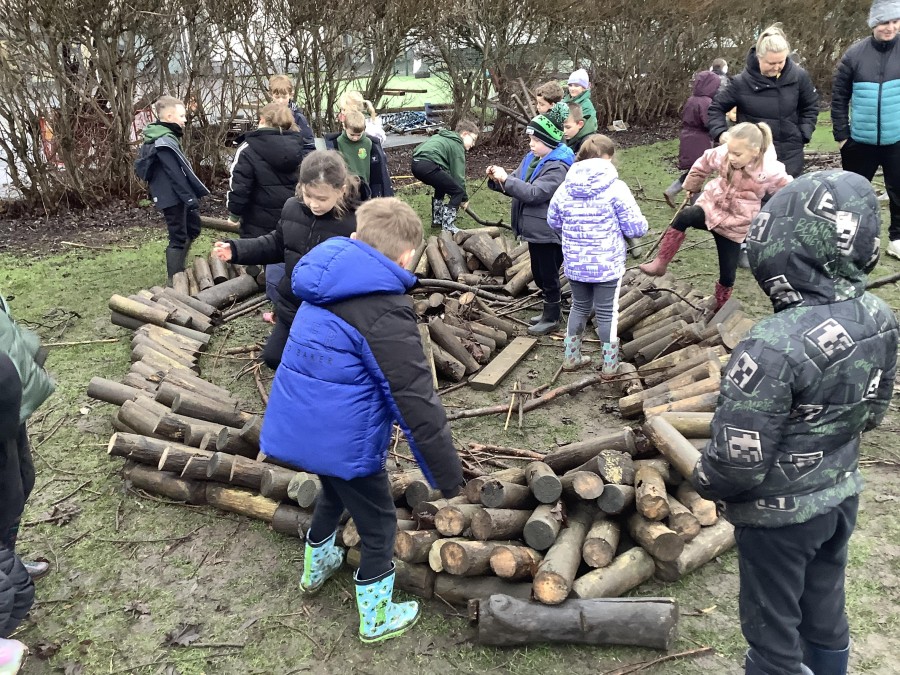
As part of our All About the Birds topic, the children have been looking at the structures of different nests. They’ve watched videos of the nest building in action and looked at some real birds nests in class. They then took this information and applied it to their own nest building. Before the children headed outside they reflected on what went well and what needed to be addressed from this challenge last week. Year 4 rightly noted that there was no cohesion of ideas, too many people shouting but no decisions being made. Their solution was to appoint a leader. First they decided what characteristics their leader needed to have for them to be able to bear them being in charge. They had to be kind but clear at communicating, they needed a medium strength voice, not too “shouty” but not too quiet. They needed to be a good listener. Before nominating candidates everyone agreed to follow whoever the leader might be. Once they had nominated they then took a vote for both a leader and deputy. The Leader and deputy were then given some time to devise a plan. Outside they split the class into groups and allocated roles. As you can see in the photos the children were attentive and followed instructions and they were really proud of their finished nest. As for the adults, well we were just surplus to requirements. A fantastic example of democracy at its best.
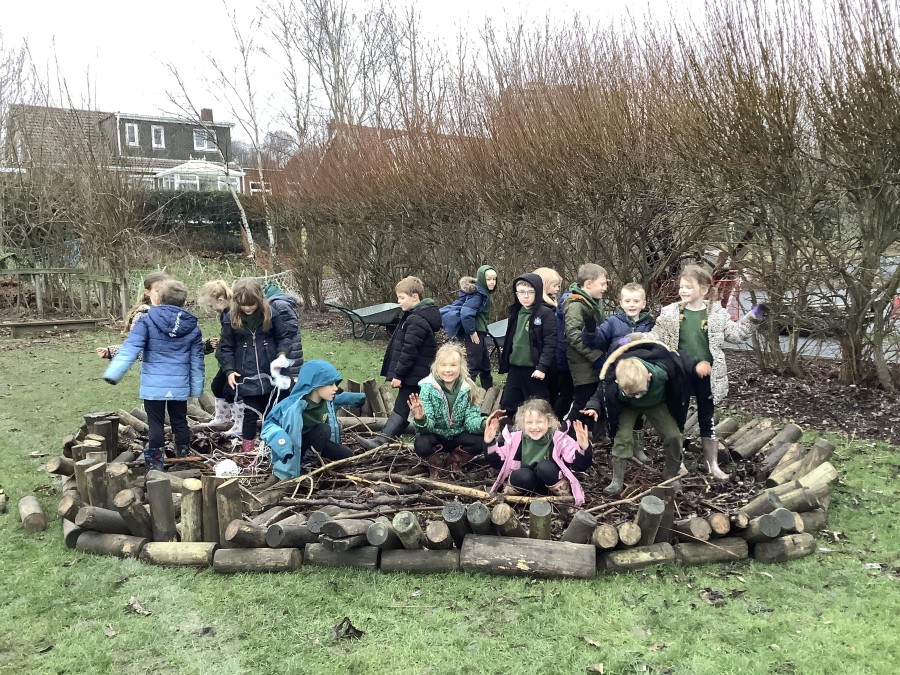
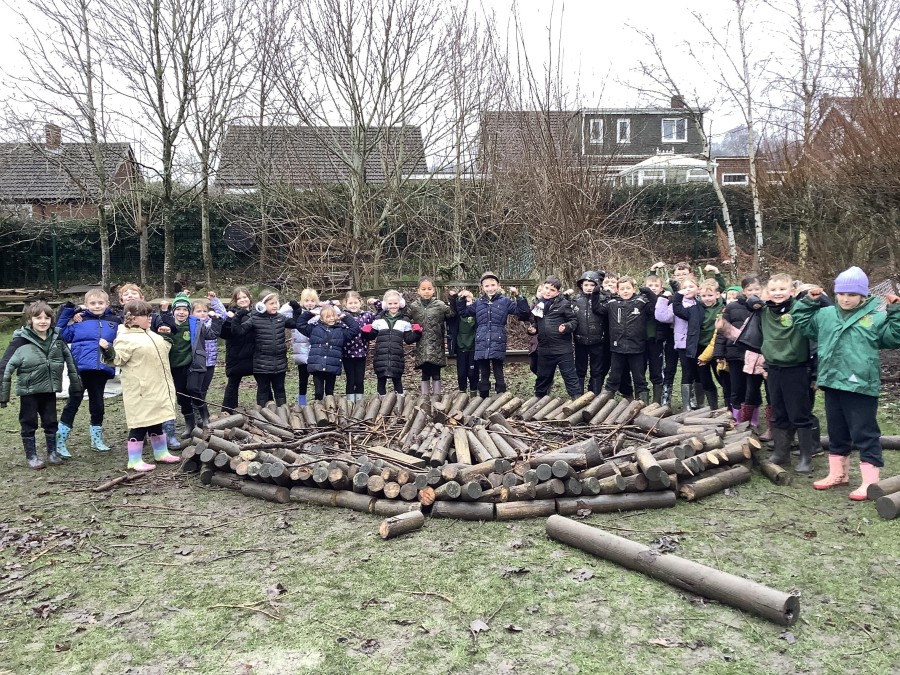
The younger children evaluated last weeks session with the Year 6 outdoor workers and really made some impressive improvements to their design. Year 3 built a nest of real beauty. Admittedly they struggled last week but when they reflected they definitely didn’t want a leader, so in class they decided they would work in small groups and each group would decide their own tasks. This was an interesting idea that could have become very fractured but they communicated really well, everyone was on task. Their nest is testament to their shared vision it really was quite beautiful and they took great pleasure in explaining all the features they had designed.
The Community Principle of Forest School ensures that sessions are responsive to the needs and interests of learners. Reflective practice is a feature of each session to ensure learners and practitioners can understand their achievements, develop emotional intelligence and plan for the future. These nestbuilding sessions have really captured that.
The Community Principle: Forest School uses a range of learner-centred processes to create a community for development and learning.
Article 13: We all have the right to share what we learn, think and feel with others.
-
- The leader and her deputy delegate roles.
-
- Talking strategy.
-
- The leaders checked in of progress continuously.
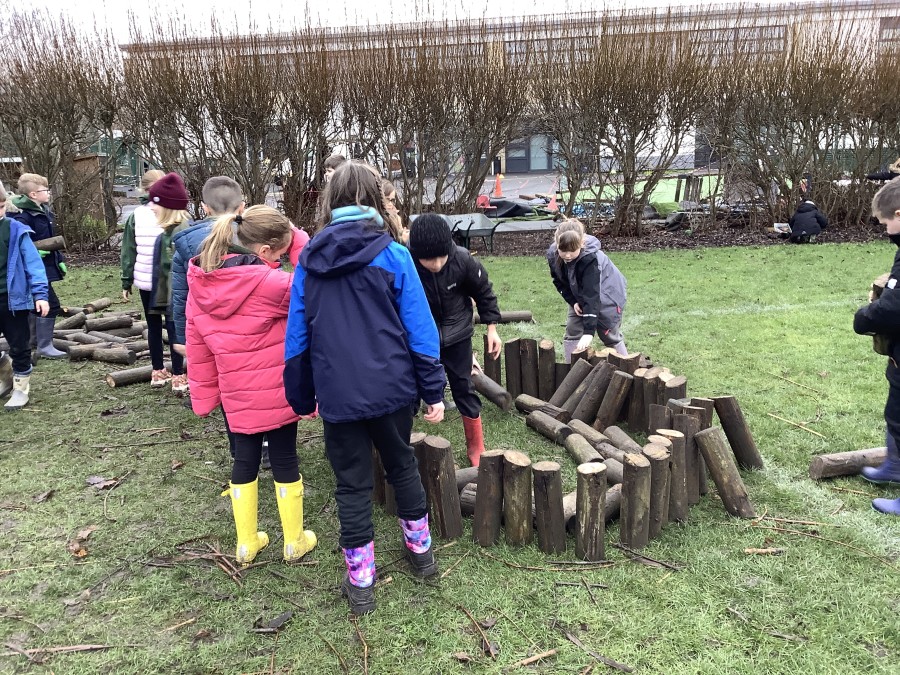
-
- The plan is starting to come together.
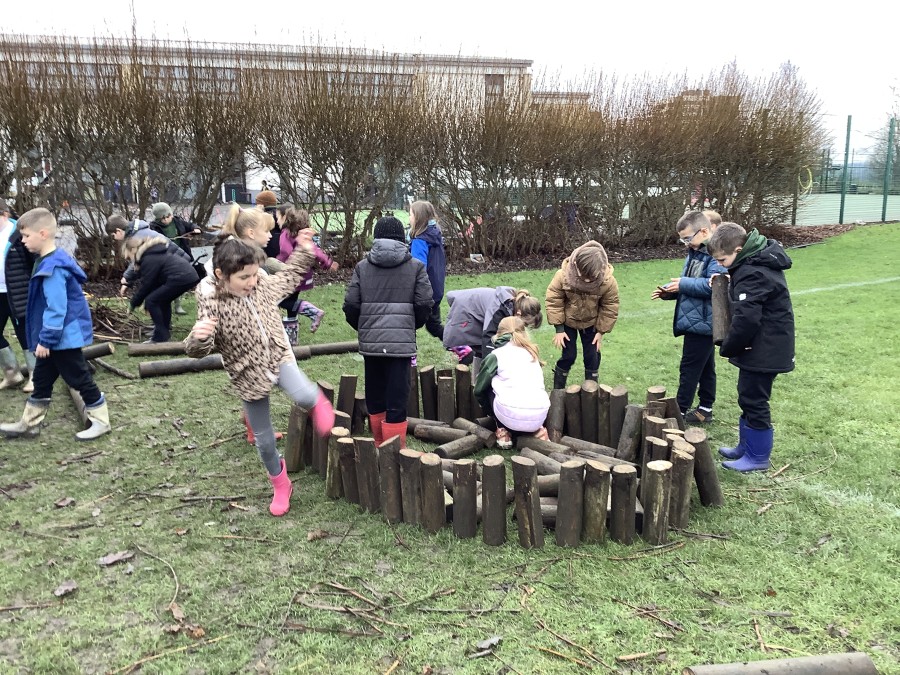
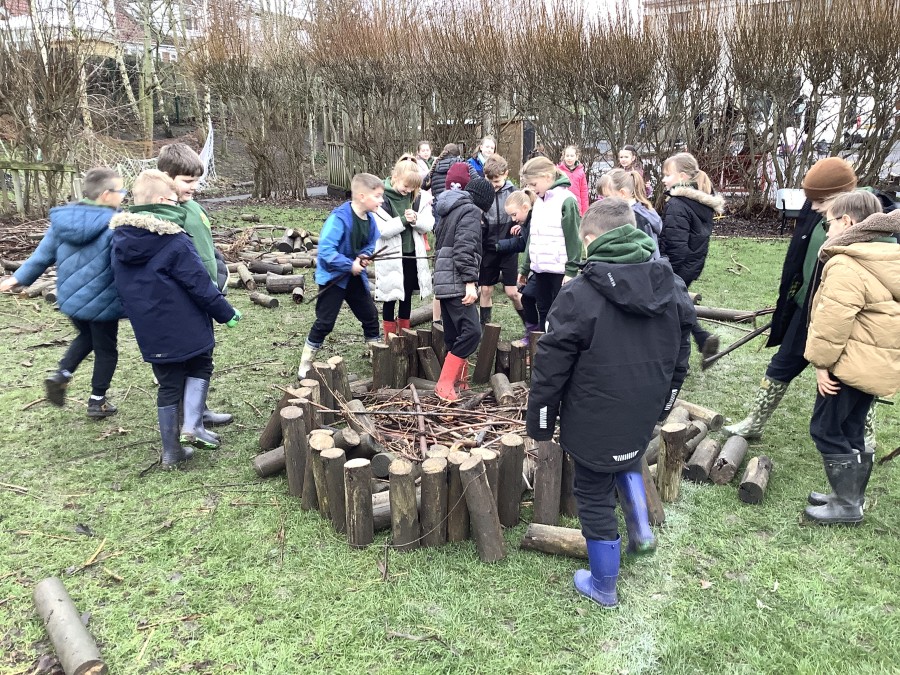
-
- A pit stop to evaluate progress.
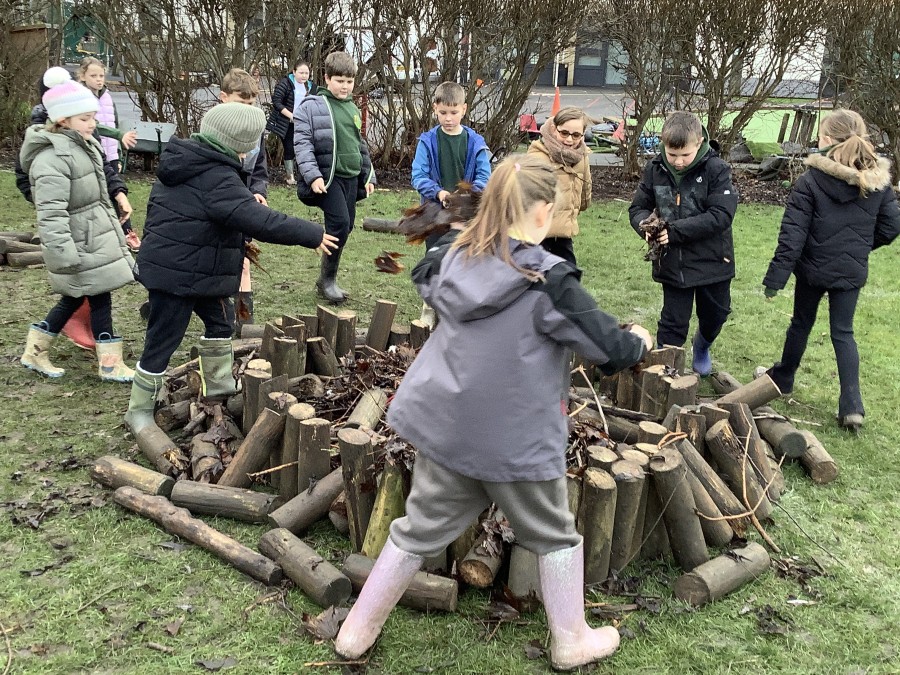
-
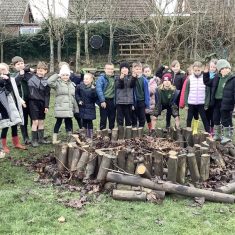
- Fantastic work.
-
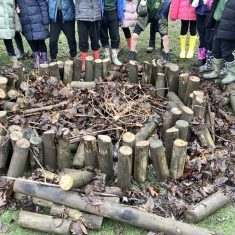
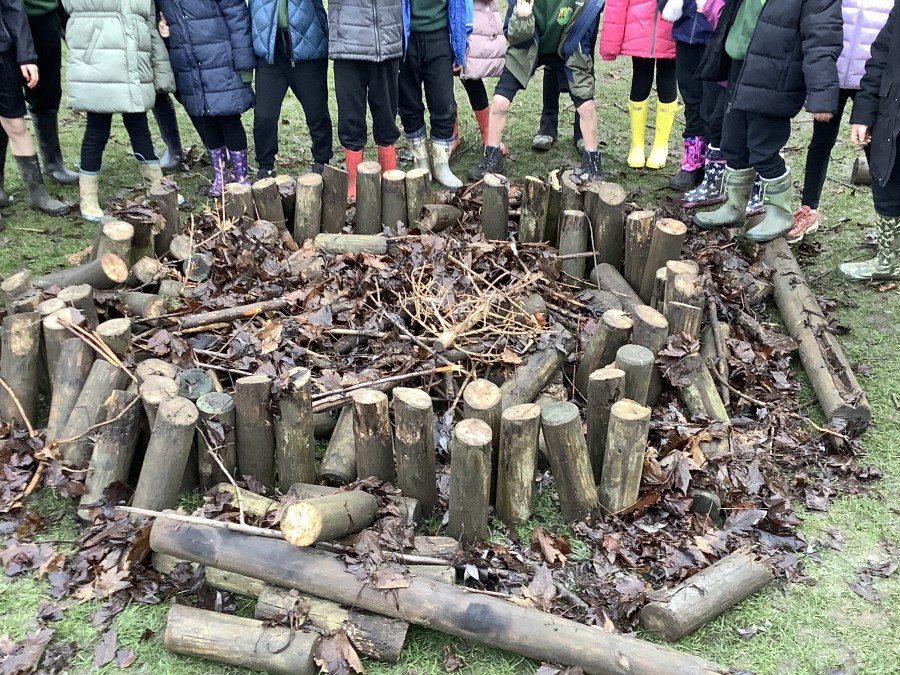
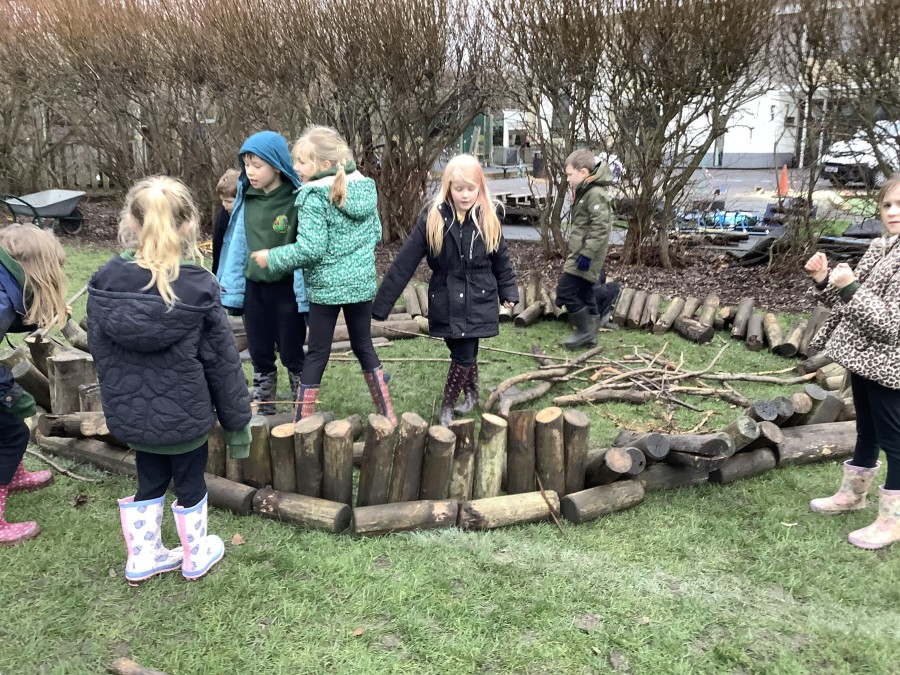
- They tried to replicate a common nest structure of heavy walls with a more delicate inner area.
-
- Year 1 got started quickly.
-
- A pit stop.
-
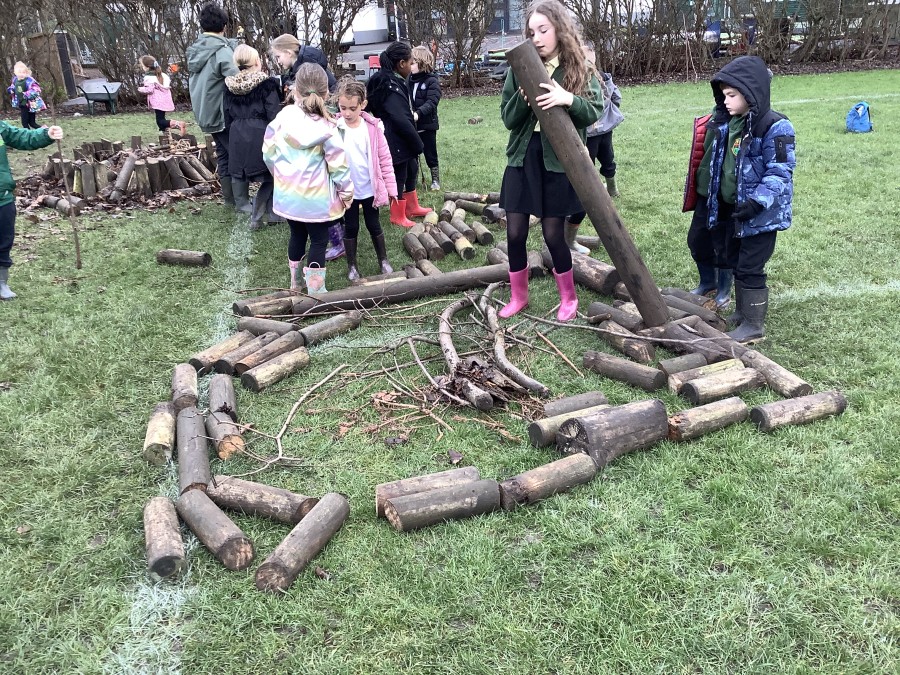
- They created a rough layout.
-
- Then worked on shape.
-
- Careful placement.
-
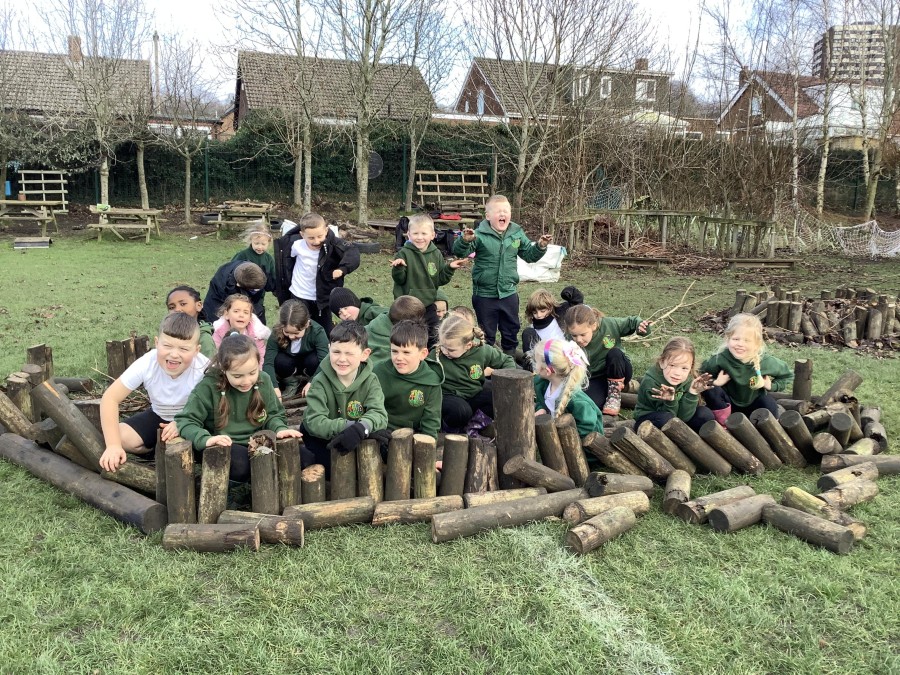
- Then they wanted to see iif they could all fit inside.
-
- A very proud team.
-
- Year 2 started strong.
-
- And finished strong. This was the fastest build.
-
- Year 3 then had a go.
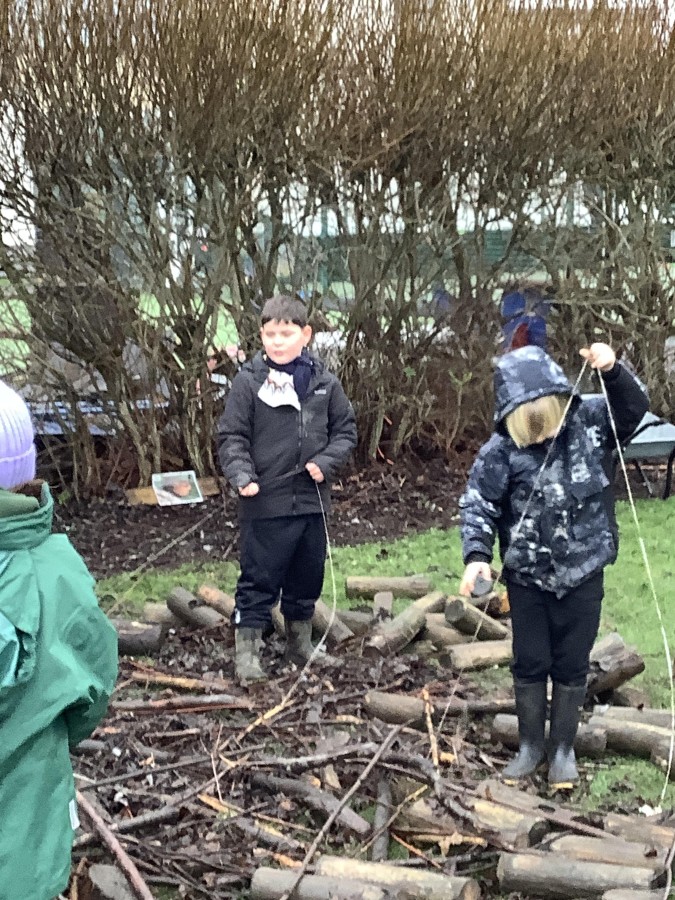
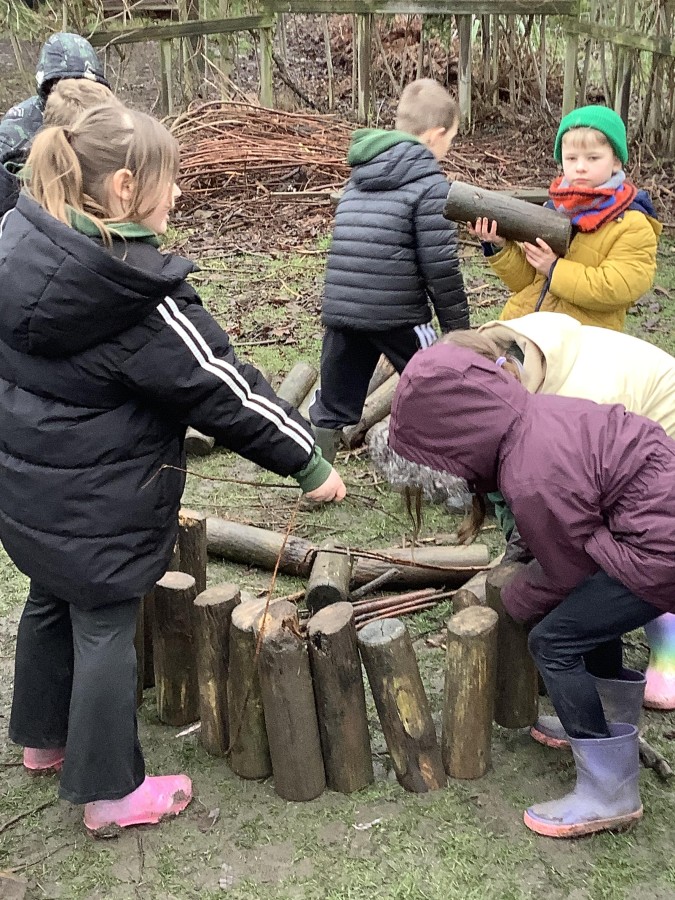
-
- Such amazing teamwork.
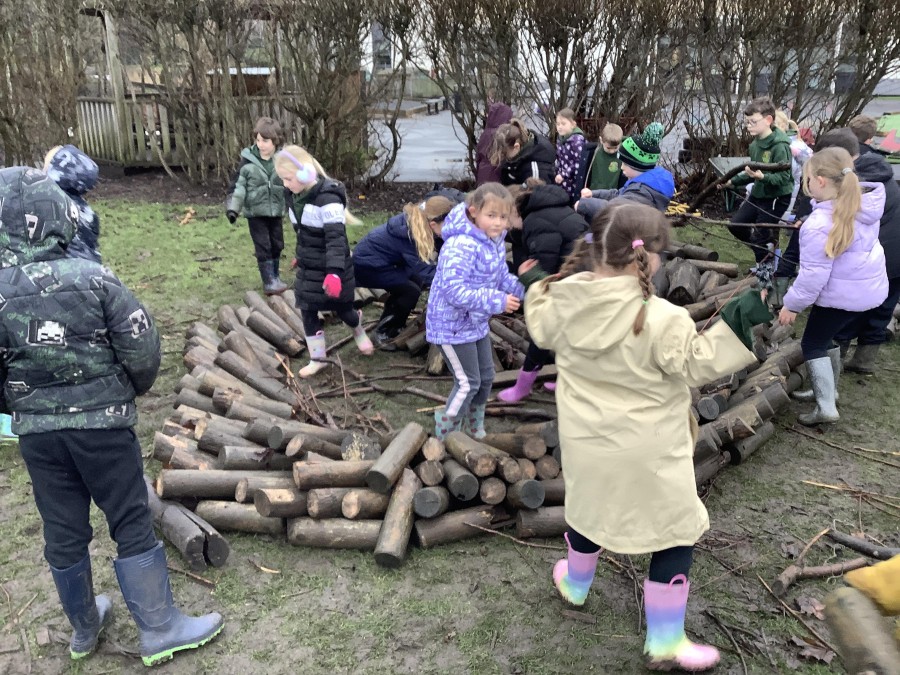
-
- What a beautiful piece of sculpture.